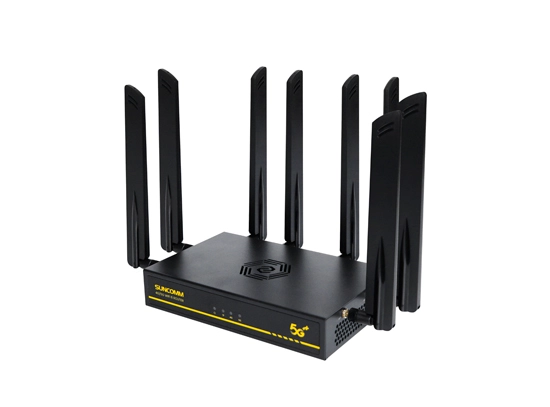

People often describe 5G mmWave as just faster with lower latency and better numbers.
Based on our observations within SUNCOMM, a dedicated 5G router company, that is correct, but it fails to mention the full picture.
mmWave isn't just an enhanced iteration of the sub-6 GHz spectrum of 5G. This behaves uniquely, requires an alternative method for designing, furthermore is most effective under particular circumstances. Provided that one regard this like just a basic improvement, you will probably feel let down.
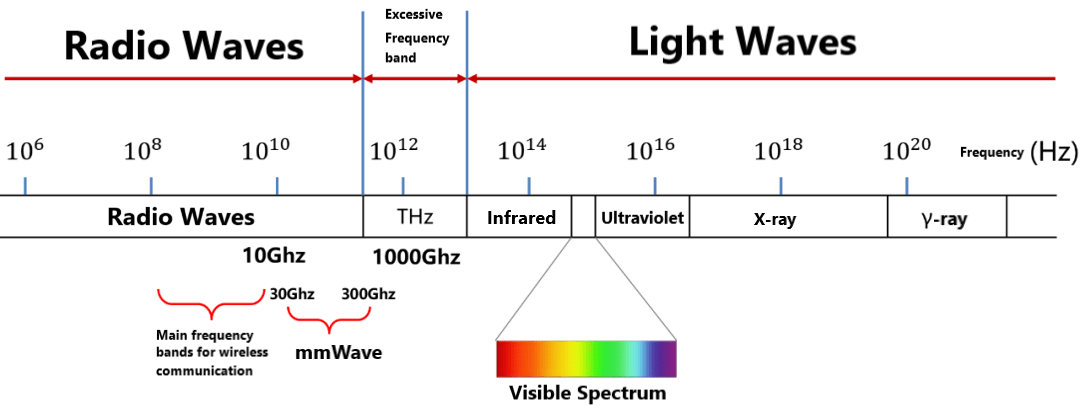
The first thing we realized when checking out mmWave platforms is that you can't just assume you'll have coverage.
At these very high frequencies:
Signals fade fast.
Barriers, windows, and also individuals obstruct.
You must have a direct view.
This means you have to think differently. With sub-6 GHz, we usually focus on coverage first and then try to make it faster. With mmWave, the speed is there, but you have to carefully plan your coverage.
Considering the product perspective, this alters the entire landscape for any high-performance 5G CPE device, starting with the placement of the aerials to the selection of materials for the enclosure.
With regular CPE design, antennas are usually just seen as something that helps. But with mmWave, they're the most important thing.
Beamforming, beam tracking, and where you put the antenna array are essential, they're what make the connection work.
What we found when testing:
Small changes to the antenna can make a big difference.
Keeping it cool and getting good RF performance are linked.
The structure affects how consistent the signal is.
This is a reason why mmWave CPEs can't just use sub-6 designs with a different modem.
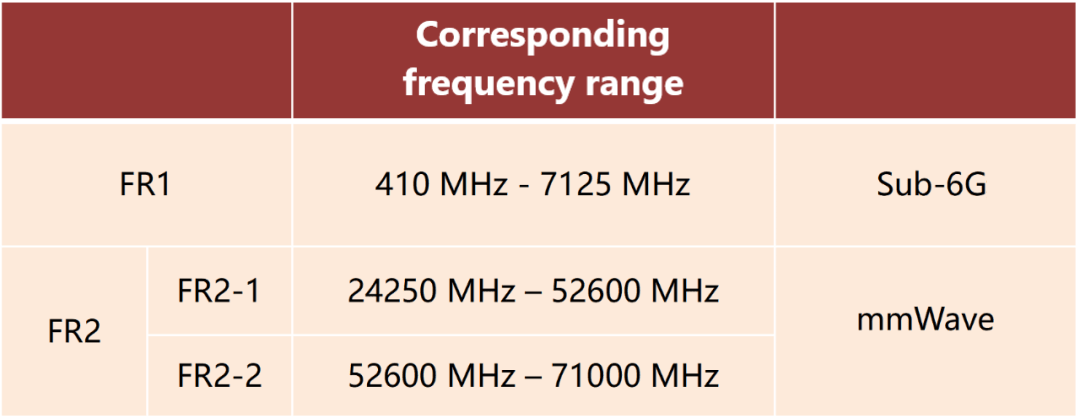
mmWave demos look great. In a controlled space, the fast speed is clear.
But when you're really using it, the challenge isn't getting the speed, it's keeping it.
From our tests, keeping mmWave performing well depends on:
Keeping the beam aligned.
Knowing what the environment will be like.
Knowing how users will move around.
This makes mmWave good for fixed or semi-fixed places, but not great where things move a lot.
From our view, mmWave isn't for everything. It's best where you can really use its strengths, like:
Busy city areas
Stadiums and events
Fixed wireless access with a clear view
Factories or campuses with controlled spaces
In these cases, mmWave can do something sub-6 can't: give you speeds like fiber without needing to install fiber.
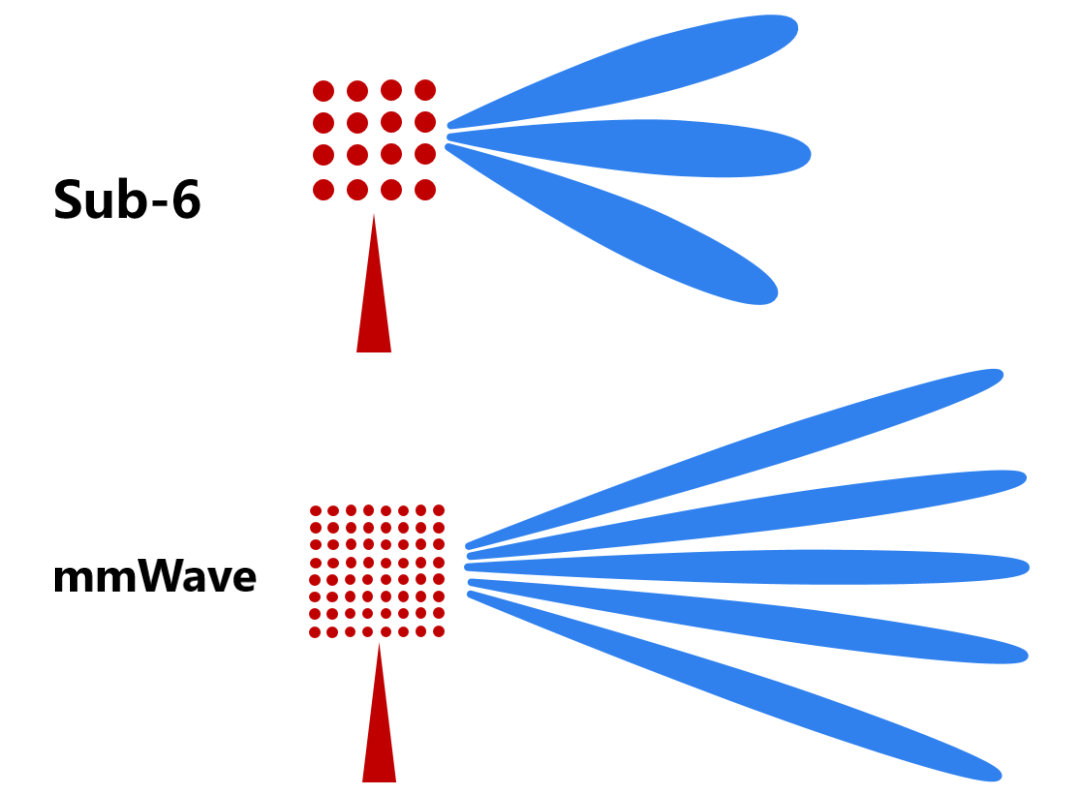
One thing we keep learning is that mmWave working well isn't about just one part.
You need everything to work together:
Modem and RF setup
Antenna design and location
Keeping it cool
Software and beam control
If you ignore any of these, you'll quickly lose the benefits of mmWave.
This is also why mmWave products tend to be made for specific uses. Designs that try to do everything rarely get the most out of it.
At SUNCOMM, we think of mmWave as a tool for specific jobs, not something for everyone.
It's good when used in the right way, and not helpful when forced into the wrong situation. For us, the question is never Is mmWave better? but instead:
Is this the best network design for the problem?
That's the way we choose the optimal platforms, the best way to create CPEs, plus the best way to interact with customers concerning the expected results.
5G mmWave isn't about getting the fastest number on paper.
It's a new way to build wireless networks, one that trades coverage for really high capacity.
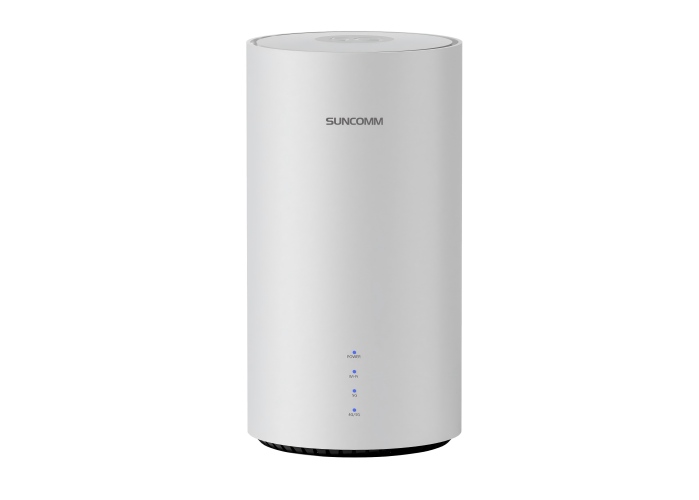
When you plan it well and think about the whole system—utilizing robust hardware like the SDX65 5G CPE Router—it can change things.
If you just see it as faster 5G, it will often let you down.
Understanding that difference is the first step to using mmWave well.
Talk to our experts for more help.