
For years, businesses used regular phone lines (PSTN) to talk. They had special lines, set numbers, and equipment that stayed in one place. This system was reliable, but it was also stiff, expensive, and didn't grow easily.
Now, switching from these old phone lines to internet-based (IP) calls is a must. This change is happening because of online services, more people working on the go, and the blending of computer and phone networks. A key piece of equipment in this change is the VoIP router, which people often don't think about much.
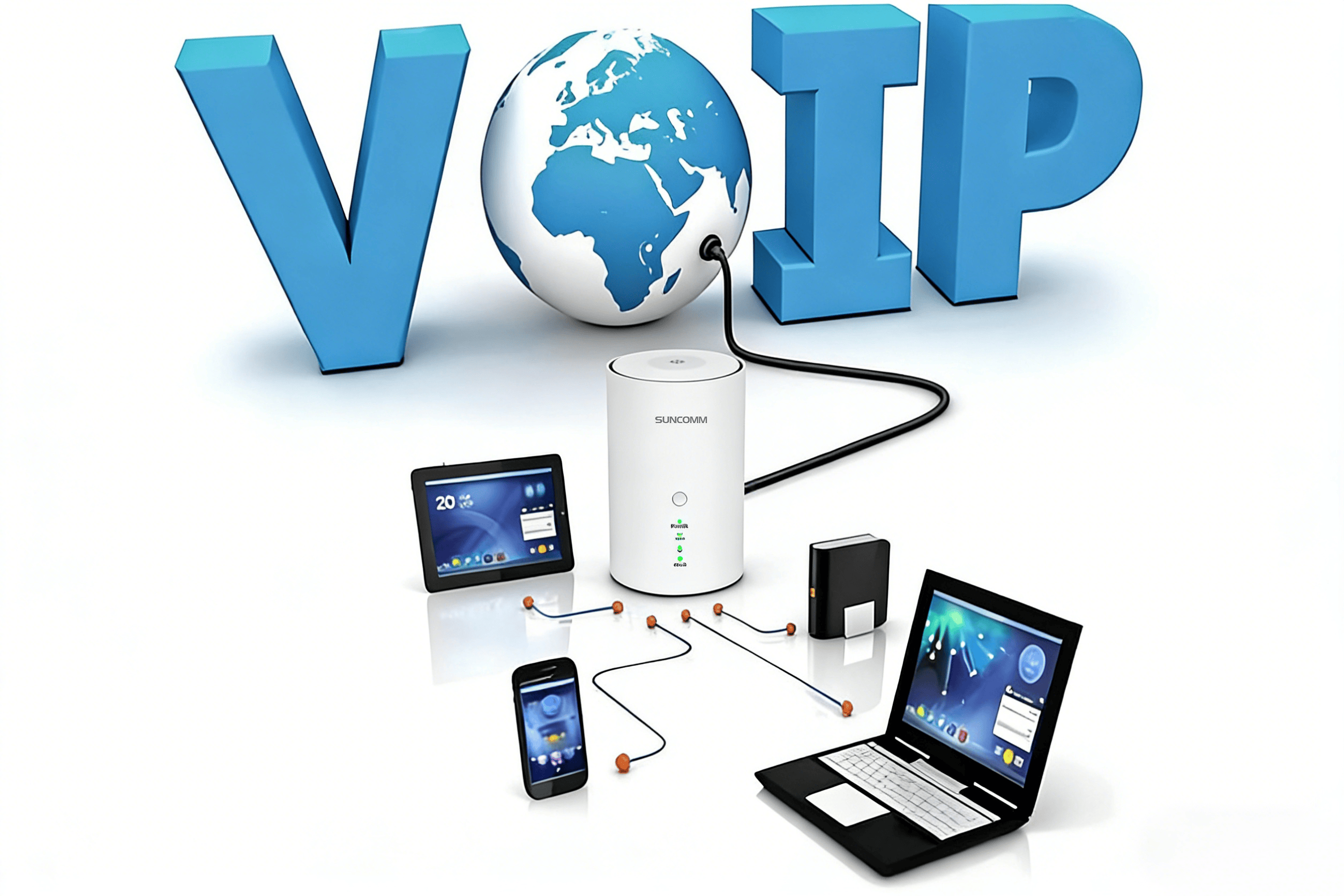
Many phone companies are getting rid of PSTN services. So, companies have to rethink how they make, handle, and keep their phone systems safe.
Moving to VoIP means more than just swapping old phones for internet phones. Now, voice calls travel on the same network as computer data, videos, and online programs. This mix brings new problems:
l Voice data is sensitive to delays and lost information.
l A busy network can make call quality worse.
l Power failures and unstable links can stop calls completely.
You can't fix these problems with just software. You need network devices that know how voice calls work.
A VoIP router isn't just a regular router that can make calls. It's made to treat voice calls as important, not just something running in the background.
Compared to regular routers, VoIP routers usually have:
l Special ways to give voice calls priority.
l Built-in tools to handle call setup and network address changes.
l Fast data processing to keep calls smooth.
l Support for old-style phone connections.
l Backup plans for when internet lines fail.
In the real world, these things make the difference between calls kind of working and calls that businesses can count on.
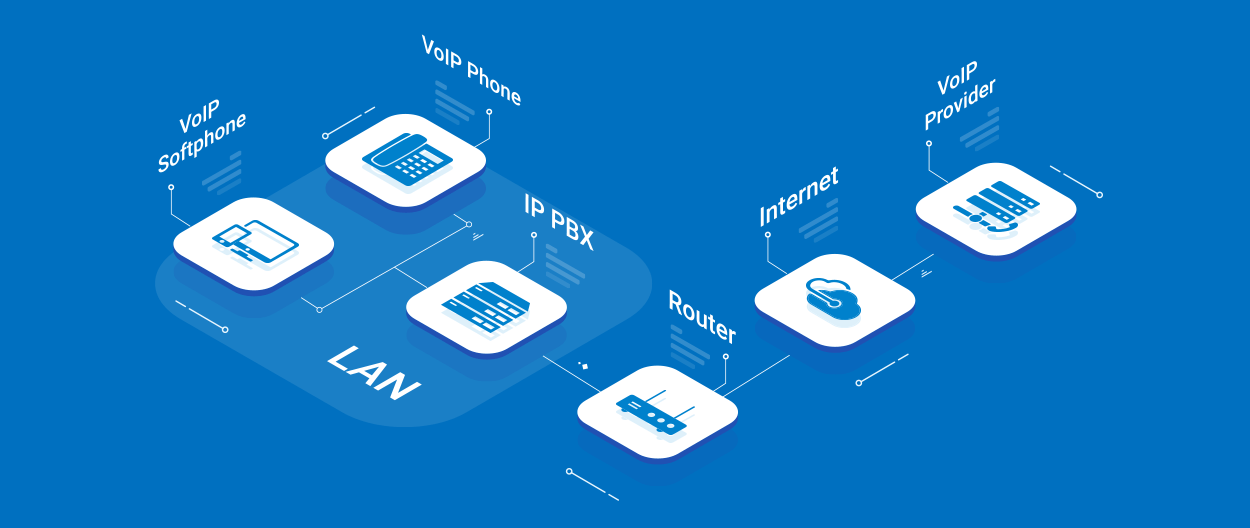
One big change from VoIP routers is that you can call from anywhere.
With internet-based calling:
l Phone numbers aren't stuck to physical phone lines anymore.
l Offices can move without changing their phone systems.
l Remote offices and mobile teams can all use the same phone system.
This freedom is great for small and medium businesses, stores, and offices in different places. A VoIP router becomes the main point that keeps call quality good while connecting to central phone systems or online platforms.
How Cell Networks Help VoIP
Since fiber and DSL internet aren't everywhere, cell networks are now a main way to connect, not just a backup.
Using VoIP over cell networks brings new things to think about:
l Delays can change based on cell signal strength.
l The speed of sending data affects how clear calls are.
l Calls need to switch between cell towers quickly without dropping.
At SUNCOMM, these things have changed how design VoIP routers for cell networks. Testing shows that keeping data flowing smoothly, using good antennas, and managing data smartly are more important than just having fast download speeds for good call quality.
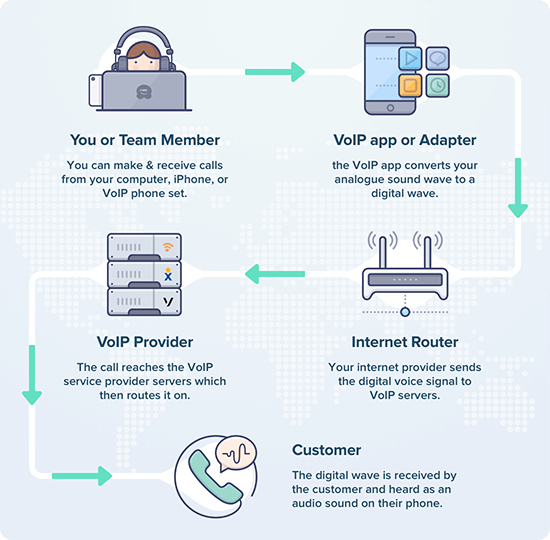
Unlike watching videos or downloading files, voice calls need to be steady, not just fast.
For businesses, a VoIP router needs to:
l Keep data flowing at a constant rate, even when busy.
l Keep voice calls separate from other data that comes in bursts.
l Recover quickly from internet problems.
That's why many companies still prefer special VoIP routers instead of running calls on regular internet gateways. Separating voice and data at the hardware level makes things more predictable, especially when lots of people are using the network.
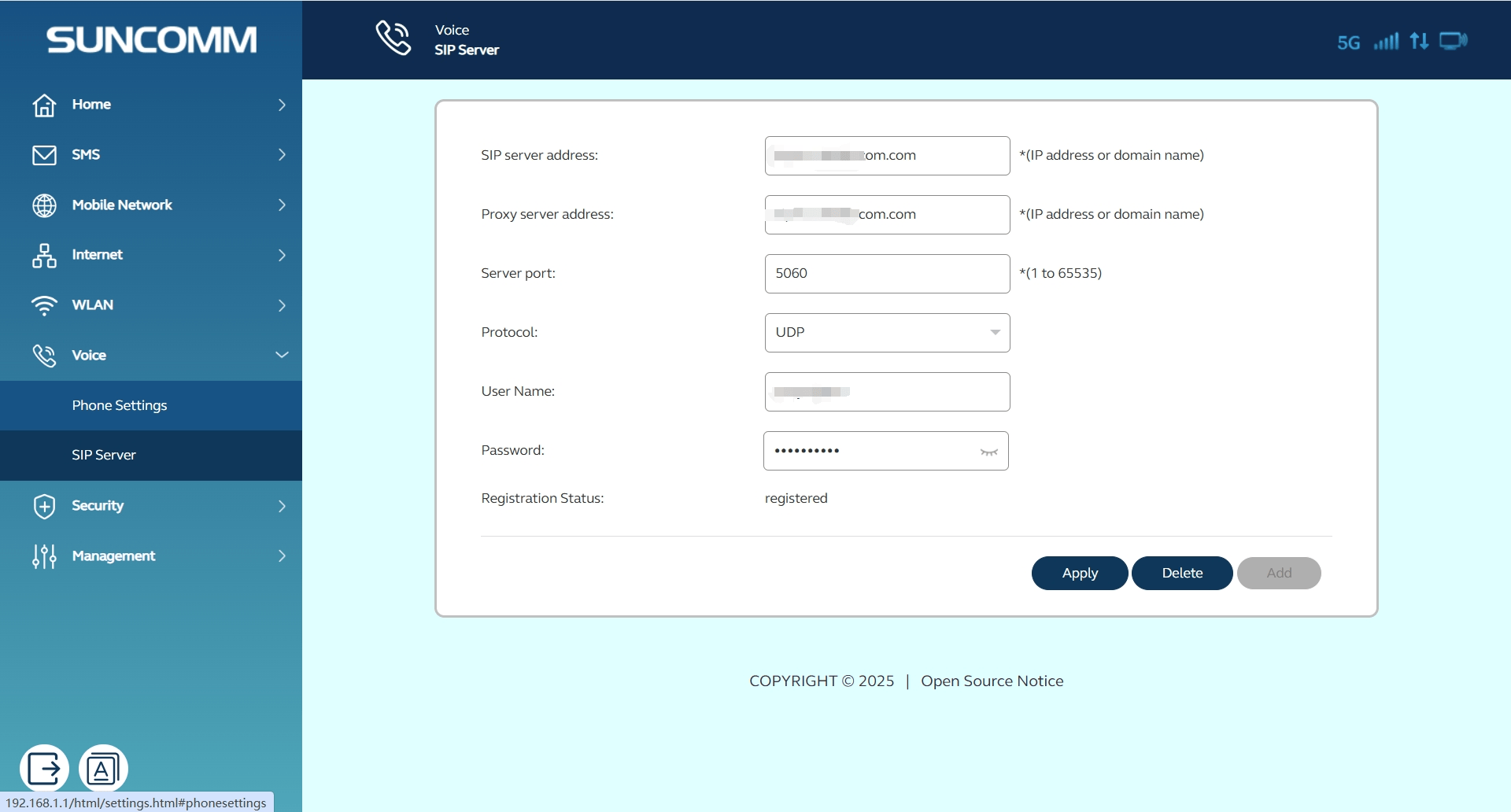
As communication moves closer to the edge of the network, VoIP routers are doing things that central systems used to do:
l Keeping calls going even when the main internet line is down.
l Routing emergency calls and following rules.
l Working with customer management, call recording, and monitoring systems.
So, the VoIP router is more than just a way to connect. It's a communication hub that connects old phone ideas with new internet networks.
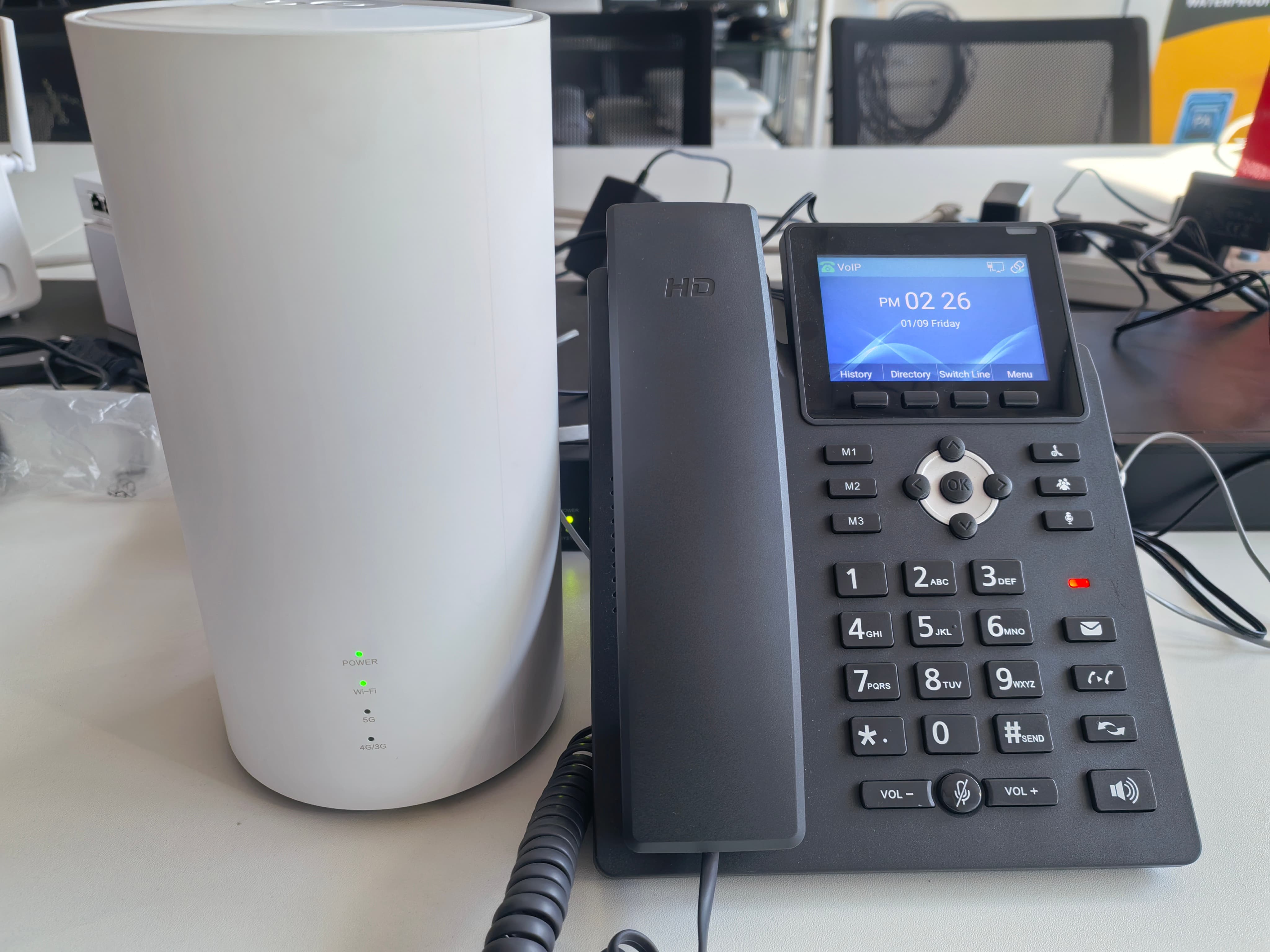
Switching from old phone lines to the internet is a constant process, shaped by online services, mobile connections, and real-world network issues.
VoIP routers are key to making this switch work, especially for businesses that need calls to be reliable, not just sound good on paper. As networks keep merging, devices made for voice calls will stay important.
At SUNCOMM, they're still focused on making VoIP routers that match how businesses really use networks—where voice, data, and cell access all have to work together well.