
Keeping an eye on elevators is vital for building safety. Usual cable setups can be a pain because:
Cables wear out from moving all the time.
Setting up and fixing cables costs a lot.
It's hard to install in older elevators.
Signals can get cut off over time.
That's why a wireless setup is needed to send clear, constant video from the elevator to the security office.
Here’s what a good elevator monitoring network should have:
Steady video, even when the elevator is moving.
Support for crisp, clear HD video (1080p or better).
Dependable signal throughout the elevator shaft.
No interference with how the elevator works or its safety.
Easy to set up and maintain.
Meets safety rules.
Network Layou | Wireless Bridge Placement | Camera Hook-U |
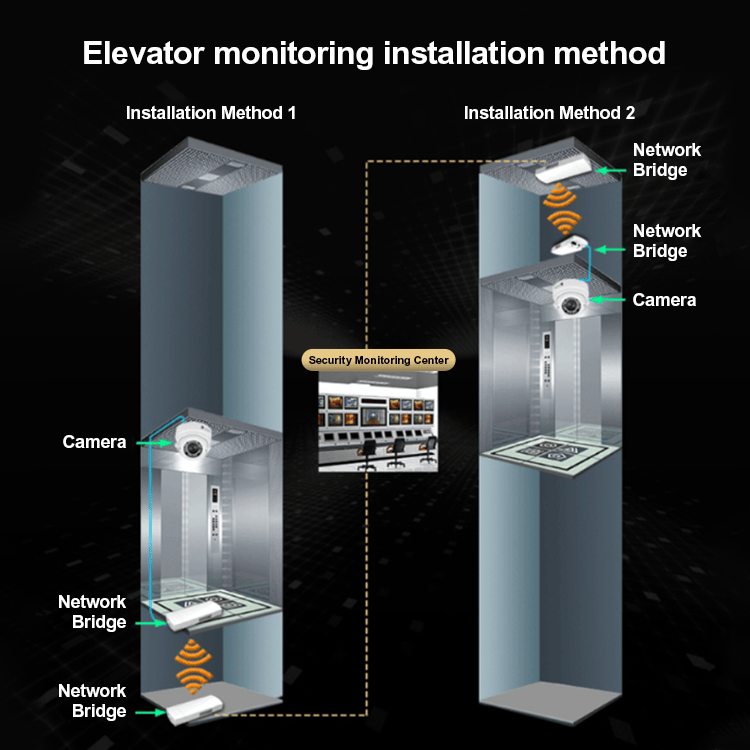
This system uses a simple point-to-point setup: 1> A security camera in the elevator. 2> A wireless bridge that moves with the elevator. 3> Another wireless bridge that stays put at the top or bottom of the shaft. 4> A wired link to the security system. 5> A central monitoring room with recording and management tools. | 1> Fixed Bridge:Goes at the top or bottom of the elevator shaft to send and receive signals. 2> Elevator Bridge:Rides on the elevator to keep a strong, direct wireless to the fixed bridge. 3> Good reach: Can send signals up to 500 meters. 4> Minimal interference: Direct wireless link. | Elevator exterior wireless bridges connect to interior surveillance cameras via short Ethernet cables. 1> Can use PoE for power (if needed). 2> Video goes wirelessly to the building network. 3> Video streams show up in the monitoring room right away. |
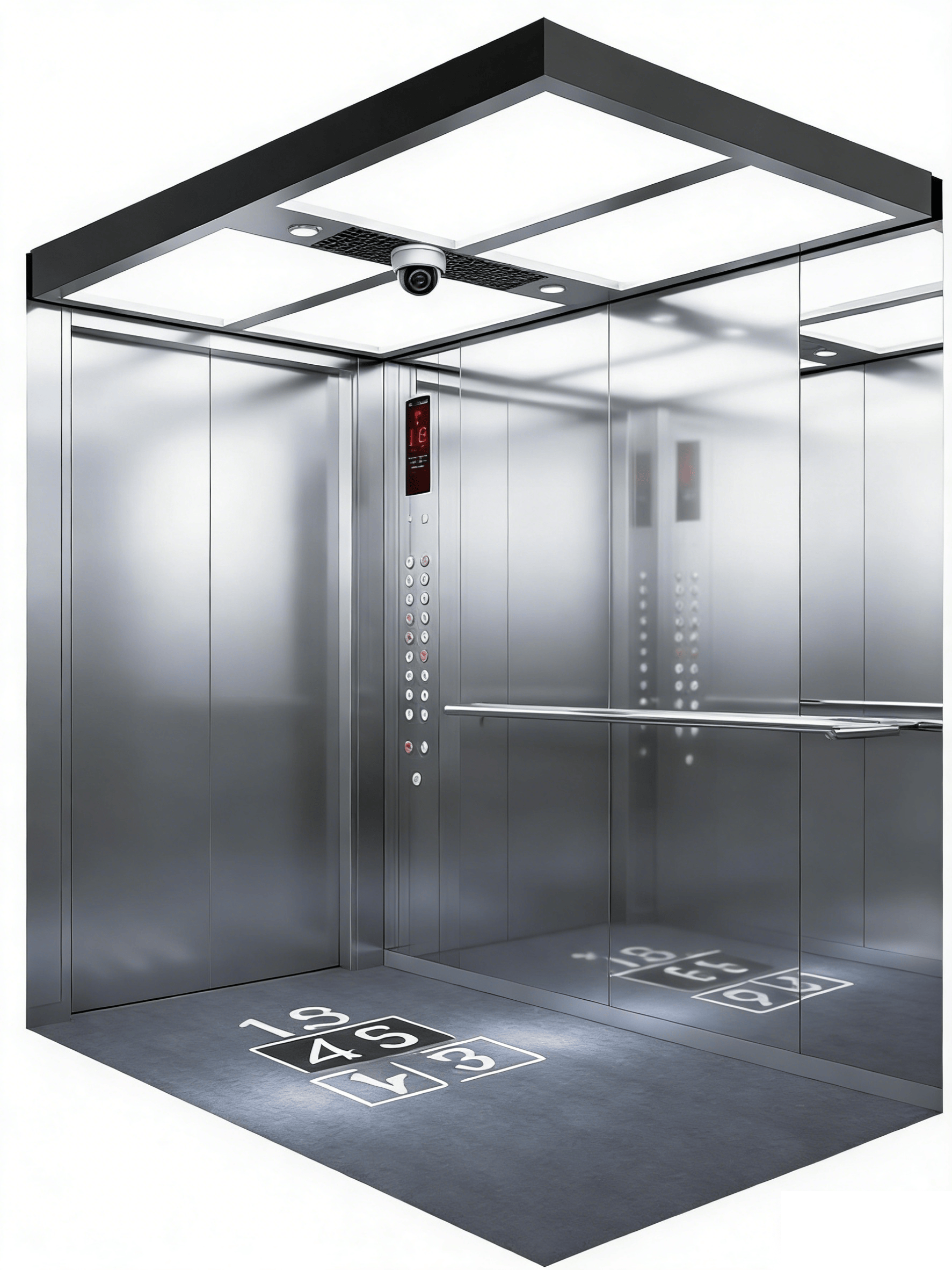
A wireless network bridge gets rid of the need for those pesky moving cables, giving a solid network for elevator security cameras. In this setup, the wireless network bridge replaces moving signal cables between the elevator car and the shaft, helping deliver stable video transmission to the monitoring room.
Steady Wireless Signal | Super Reliable | Easy to Use |
1> Direct, point-to-point wireless. 2> Little interference in the shaft. 3> Auto channel selection. 4> Made for constant movement. | 1> Stays connected even when the elevator is moving. 2> Tough against signal changes, vibration. 3> Made for tough spots like elevator shafts. 4> Works in hot, humid places. | 1> No moving cables to worry about. 2> No need to mess with the elevator itself. 3> Quick to set up. 4> Easy to fix problems. |
Security is Key:
1> Wireless signal is encrypted.
2> Security footage is separate from other network traffic.
3> Everything is managed and watched from one place.
4> Real-time status updates.
5> Alerts sent when something goes wrong.
Where Can This Be Used? | How Does It Work? | The End Result? |
1> Apartment buildings 2> Shopping centers 3> Office buildings 4> Hospitals 5> Upgrading old elevators | 1> Check out the elevator shaft. 2> Plan where the wireless bridges will go. 3> Set up and secure the equipment. 4> Line up the wireless links and test. 5> Connect cameras to the security system. 6> Test everything and sign off. | 1> Saves money on setup and maintenance. 2> Makes elevator security more reliable. 3> Perfect for new and old elevators. 4> Can grow and change with needs. 5> Keeps video surveillance constant and secure. |
By combining wireless transmission technology with flexible deployment options, the solution provides a practical and scalable approach to elevator surveillance. In projects where traditional network access is limited, a 5g cpe device can further enhance connectivity and simplify deployment.