

These days, WiFi is pretty much as essential as electricity. Sure, we all expect it to work at home and in the office, but more and more, we need it in places like farms, resorts, construction sites, and even industrial yards.
So here's a question we hear all the time:
Just how far can WiFi reach?
A lot of folks assume a standard router should easily cover a few hundred meters. Thing is, most home routers just can't handle that. Walls absorb signal, nearby devices create interference, antenna placement is surprisingly important, and your choice of frequency band can change everything. All of these can cut your coverage down fast.
Long-range outdoor WiFi doesn't happen by accident. You need good gear, well-placed antennas, and a solid plan upfront. Get those right, and the rest falls into place.
At SUNCOMM, we believe that long-range WiFi is not simply about increasing transmission power. A stable wireless connection depends on the entire system — including the access point, antenna performance, frequency selection, and deployment environment.
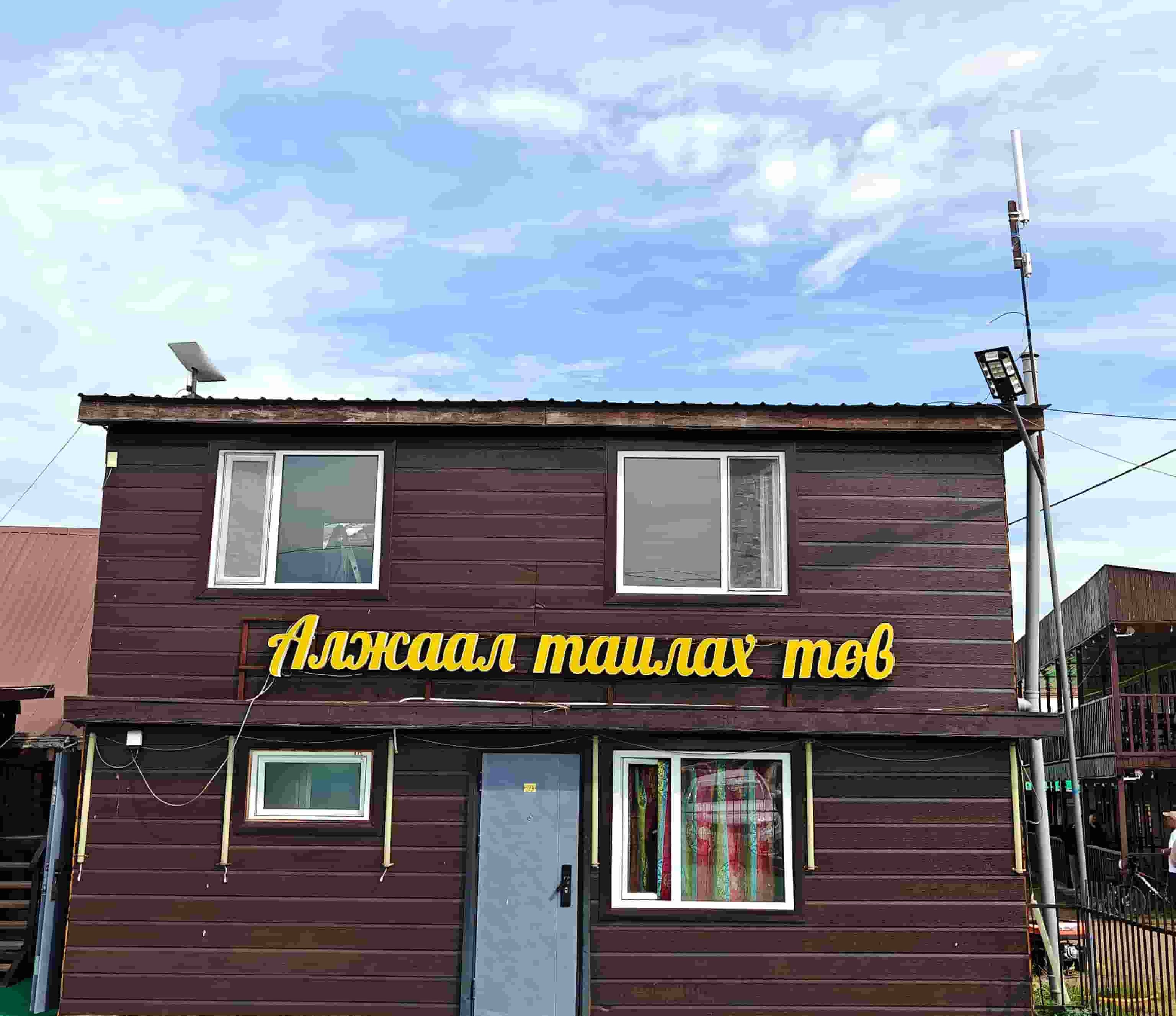
The coverage distance of WiFi depends on many factors, but typical ranges are:
l WiFi Environment Approximate Coverage
l Indoor home router 20–50 meters
l Outdoor open area 100–300 meters
l Outdoor WiFi AP with optimized antennas 500 meters+
l Professional long-range WiFi solution 1 kilometer
In an open environment without obstacles, professional outdoor WiFi equipment can achieve significantly longer distances compared with traditional home routers.
However, the actual coverage distance is not determined by one specification alone.
Transmit power refers to the amount of energy a wireless device uses to send signals.
A stronger transmission signal can improve coverage distance, but higher power alone does not guarantee better performance.
Why?
Because wireless communication is a two-way process.
The access point sends data to the client device, but the client device must also send data back.
For example:
l An outdoor AP may transmit a strong signal.
l A smartphone or laptop may not have enough power to send a strong return signal.
Therefore, a balanced wireless system requires:
l Efficient RF design
l Proper antenna gain
l Good receiver sensitivity
l Low signal loss
A higher gain antenna can:
l Increase signal coverage distance
l Improve signal stability
l Reduce wireless dead zones
However, antenna selection must match the application.
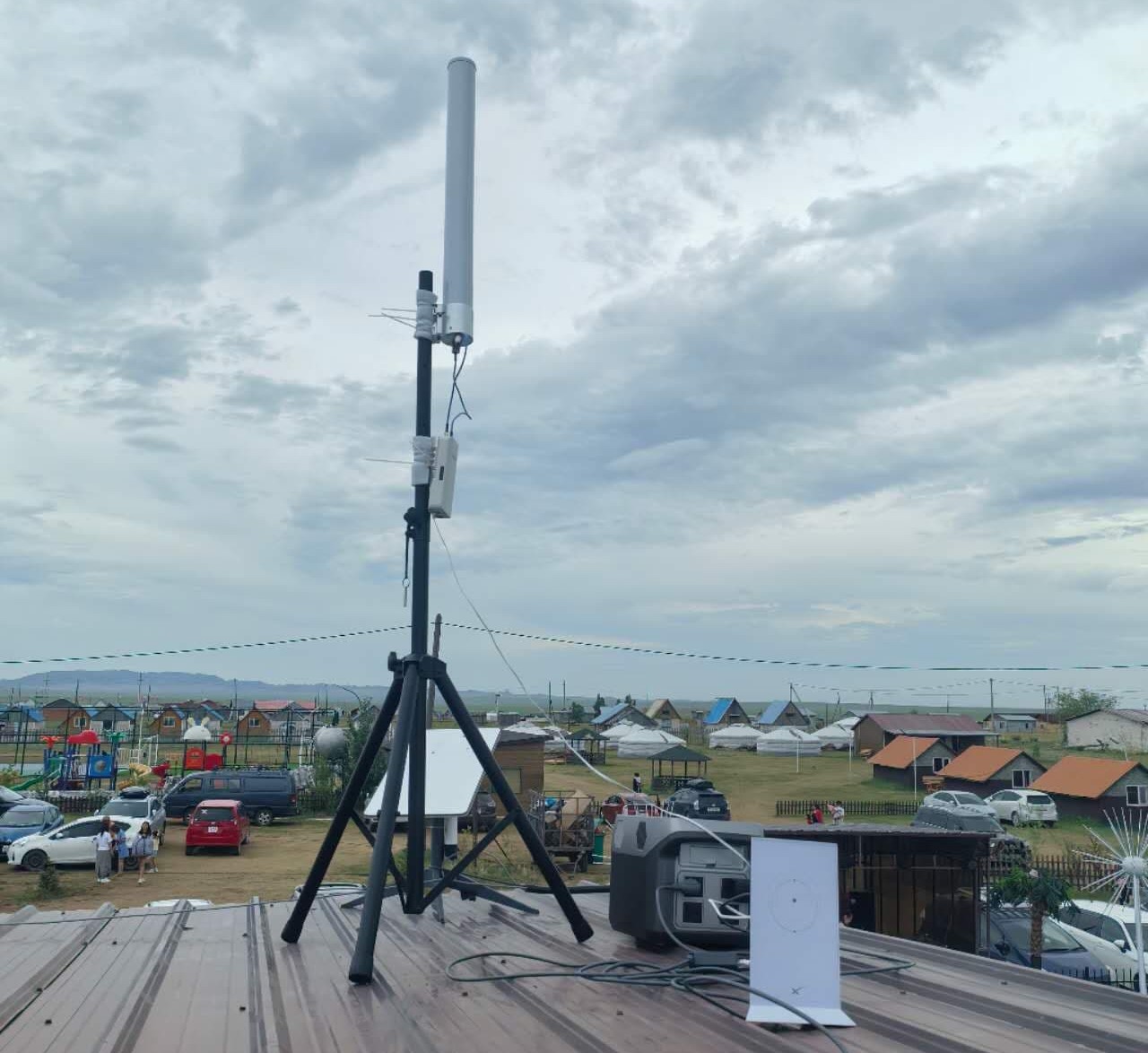
Omnidirectional Antenna
An omnidirectional antenna distributes signals around the antenna.
Suitable for:
l Farms
l Resorts
l Outdoor parks
l Large private properties
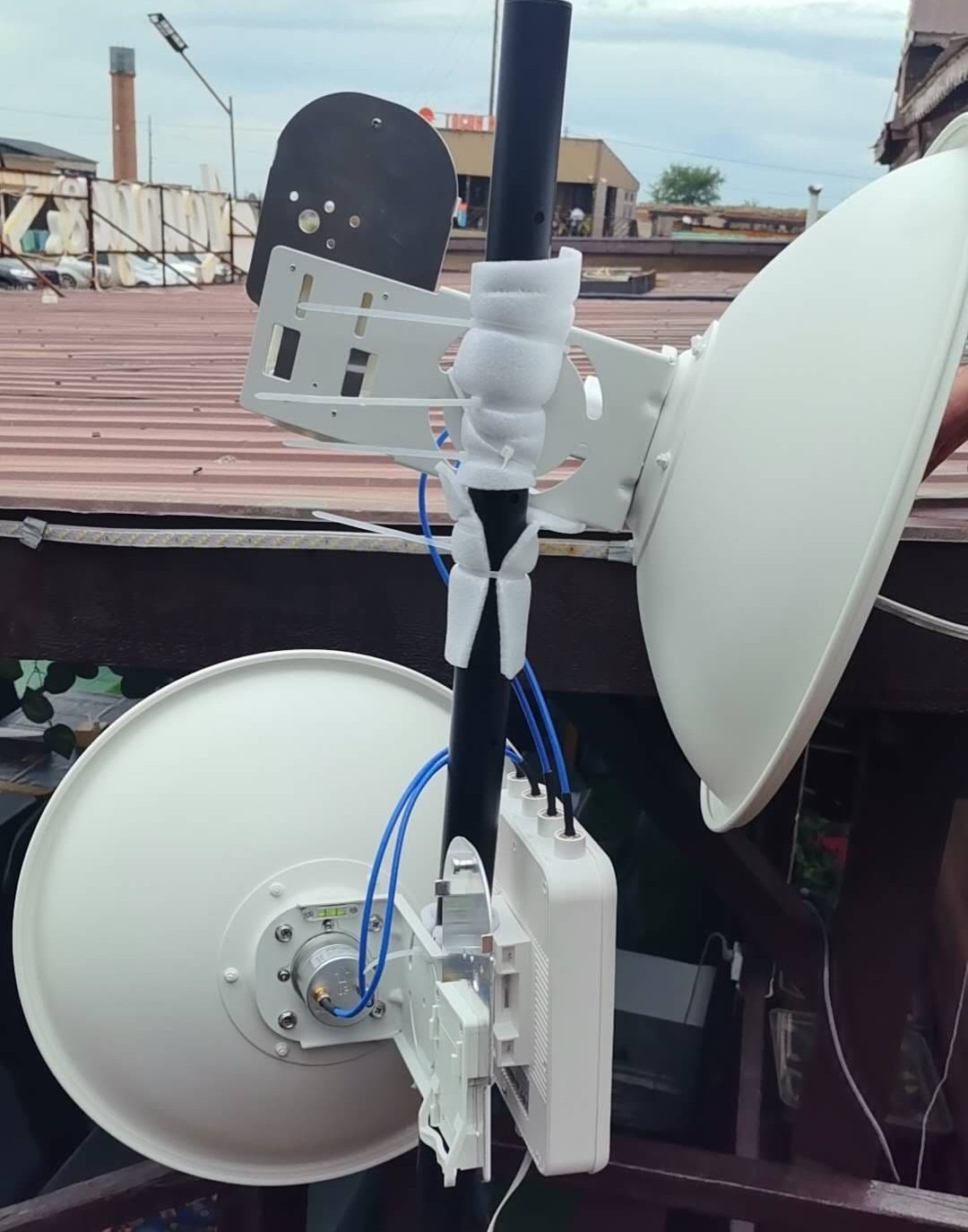
Directional Antenna
A directional antenna focuses signals in one direction.
Suitable for:
l Point-to-point links
l Connecting two buildings
l Long-distance wireless bridges
For our SUNCOMM 1KM WiFi Coverage Kit, we selected the AN2458 dual-band outdoor antenna because many real-world applications require wide-area coverage instead of only point-to-point transmission.
The antenna supports both:
l 2.4GHz frequency band
l 5GHz frequency band
This allows users to balance coverage distance and network speed.
Modern WiFi devices usually support dual-band operation:
l 2.4GHz
l 5GHz
2.4GHz Advantages
The 2.4GHz band provides:
✓ Longer transmission distance
✓ Better penetration through obstacles
✓ Wider coverage area
Because of its longer wavelength, 2.4GHz is often preferred for outdoor long-range coverage.
5GHz Advantages
The 5GHz band provides:
✓ Higher data rates
✓ More available channels
✓ Less interference in many environments
However, 5GHz signals attenuate faster over distance.
A professional outdoor WiFi solution often uses both frequencies to achieve a balance between:
l Coverage range
l Connection speed
l User capacity
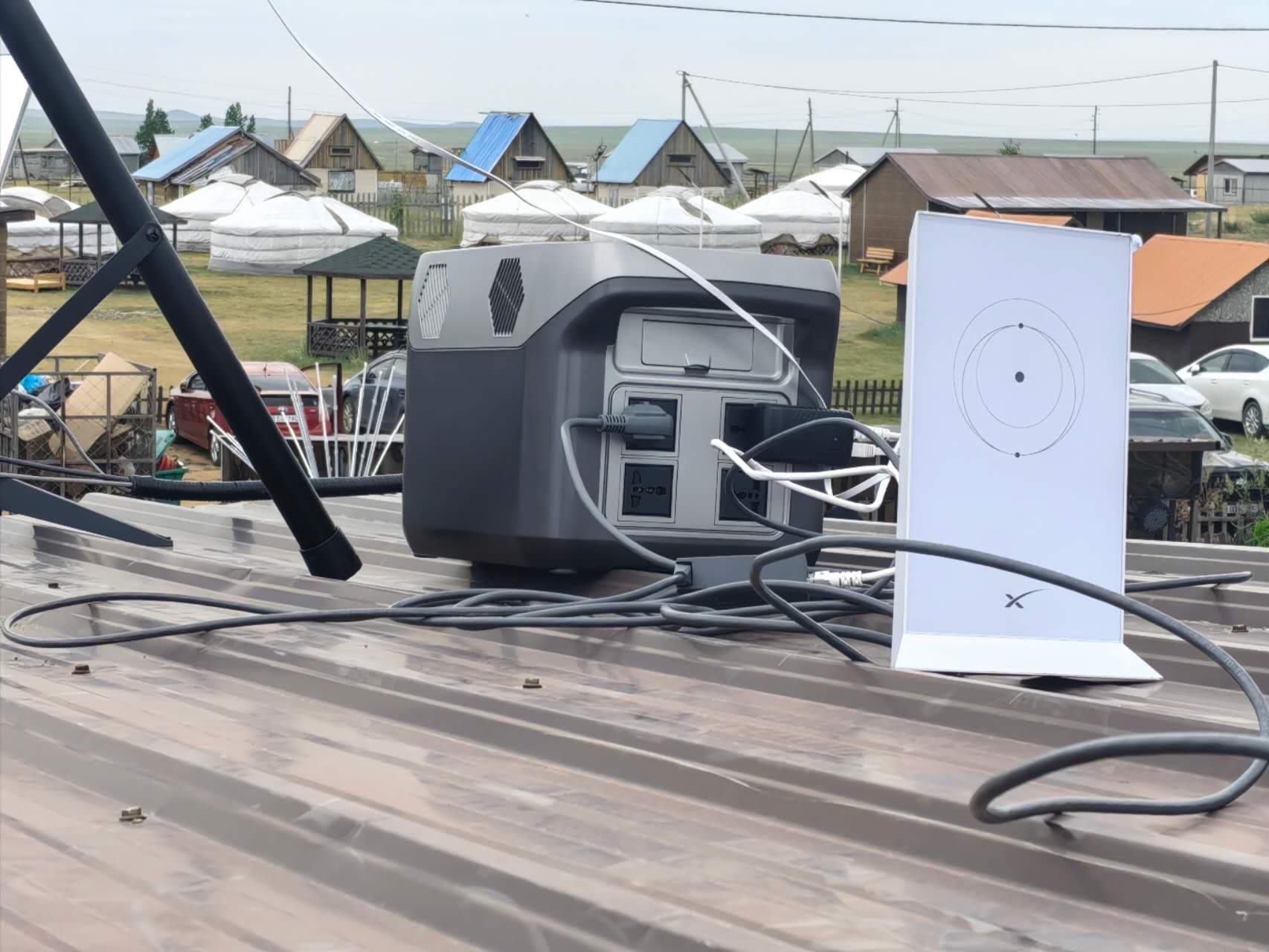
Long-range WiFi is not only about distance.
In many applications, dozens or hundreds of devices may connect simultaneously.
This is where WiFi 6 technology becomes important.
The WiFi 6 AX3000 platform used in SUNCOMM's AP3000G outdoor access point provides several advantages:
OFDMA Technology
Benefits:
l Reduced network congestion
l Lower latency
l Better performance in crowded environments
MU-MIMO Technology
Multi-user MIMO allows multiple devices to communicate simultaneously.
Benefits:
l Improved capacity
l Better user experience
l More stable connections
For applications such as resorts, farms, and outdoor events, WiFi 6 provides a better foundation for large-area wireless networks.
Even the best outdoor WiFi equipment cannot overcome poor installation conditions.
The environment has a major impact on coverage distance.
Important factors include:
Installation Height
Higher installation positions usually provide:
l Wider coverage area
l Fewer obstacles
l Better line-of-sight
Physical Obstacles
Objects such as:
l Buildings
l Trees
l Mountains
l Metal structures
can absorb or reflect wireless signals.
Interference
Wireless interference from nearby networks can reduce performance.
Professional deployment should consider:
l Channel selection
l Antenna placement
l Network planning
Real-World Example: Achieving 1KM Outdoor WiFi Coverage
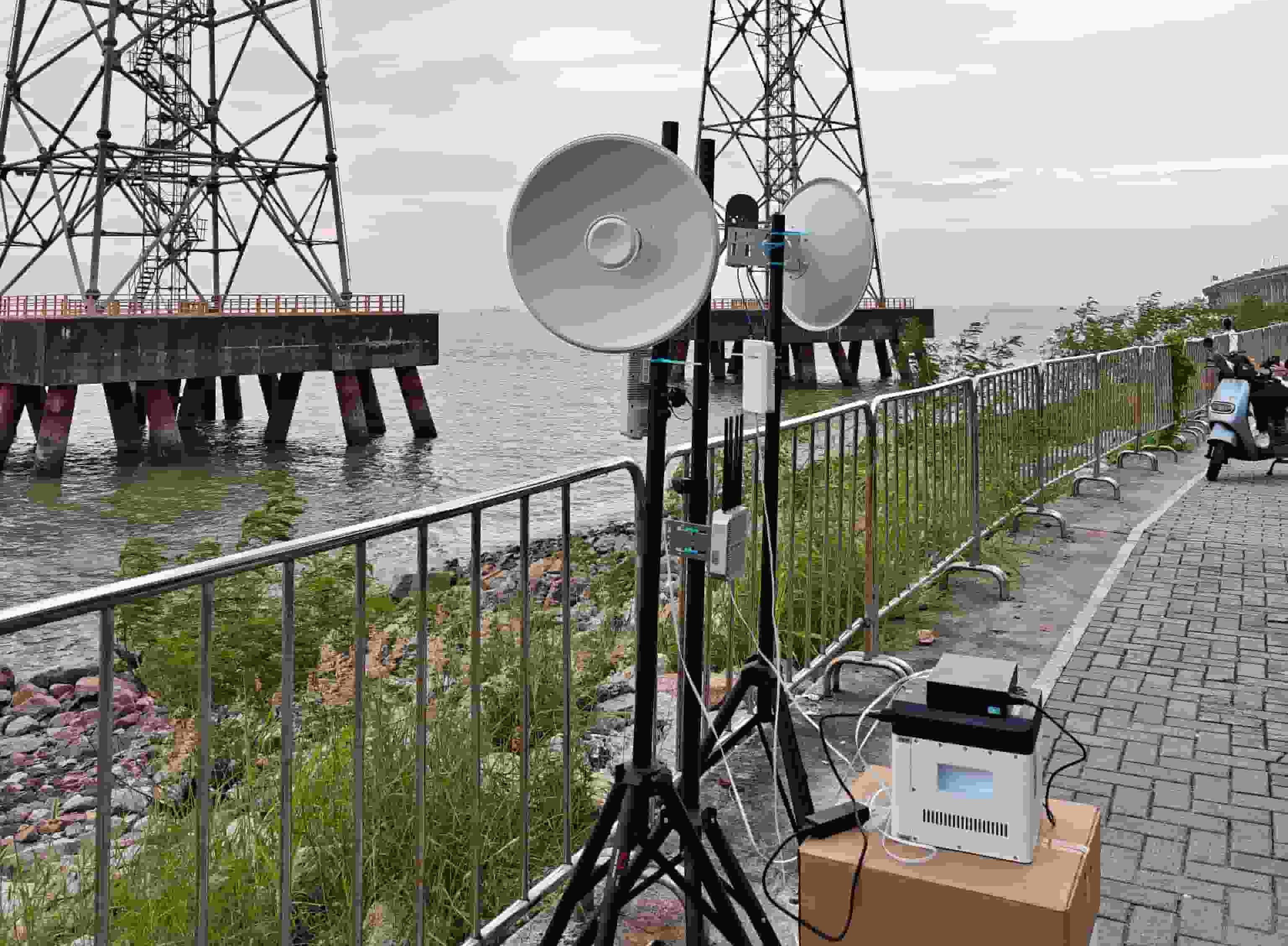
During SUNCOMM's testing process, the combination of:
l AP3000G WiFi 6 AX3000 Outdoor Access Point
l AN2458 Dual-Band Outdoor Antenna
l RG402 low-loss antenna cables
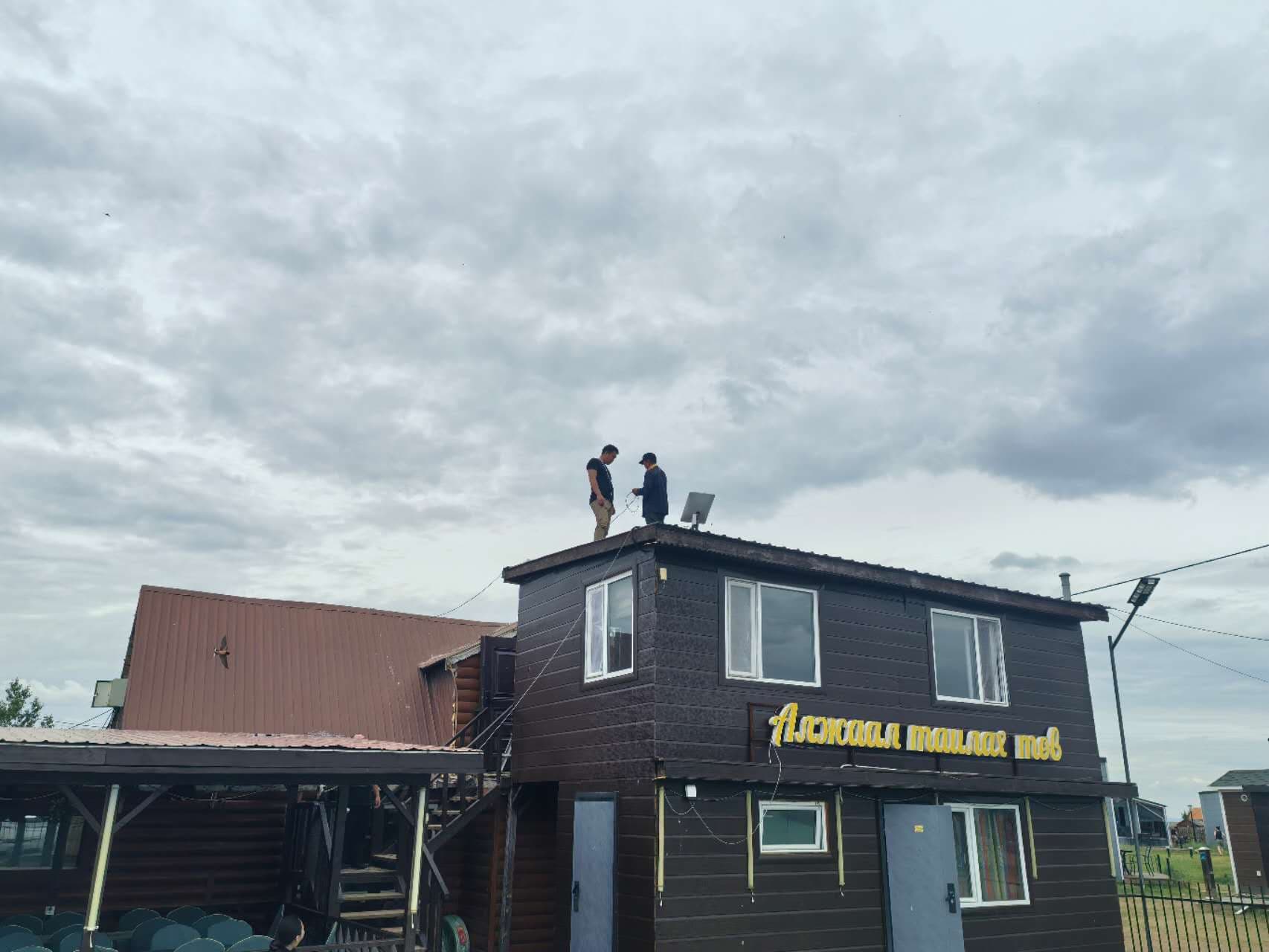
achieved approximately 1 kilometer wireless coverage distance in an open outdoor environment.
The test result demonstrates that with proper equipment selection and installation, WiFi can extend far beyond the limitations of traditional home routers.
Typical application scenarios include:
l Rural internet coverage
l Farm and ranch connectivity
l Resort and campsite WiFi
l Warehouse yards
l Construction sites
l Large residential properties
SUNCOMM's Approach to Long Range WiFi Solutions
As a networking equipment manufacturer, SUNCOMM focuses on creating practical wireless solutions for real-world connectivity challenges.
From our experience, many customers do not need simply a more powerful router. They need a complete solution that includes:
l Suitable wireless technology
l Correct antenna design
l Reliable outdoor hardware
l Easy installation
l Stable long-term operation
What we're really trying to do is help businesses and communities get solid, reliable WiFi in places where running cables just isn't practical—either because it's a huge hassle or way too expensive.
So back to that big question: how far can WiFi actually go?
The answer depends on:
l Wireless technology
l Antenna design
l Frequency selection
l Installation environment
l Network planning
So, what's the real range we're talking about?
A typical home router? You're probably looking at just a few dozen meters—maybe less if you've got thick walls or a lot of interference. But a well-designed outdoor WiFi system? That's a whole different story. Under the right conditions, it can easily stretch coverage to several hundred meters, and in some cases, even hit 1 kilometer.
That's huge if you're running a farm, a resort, or just need WiFi across a big rural property. The right long-range setup? It's not a perk—it's a must.
And here's the good news: with WiFi 6 getting more common, plus better antennas and smarter hardware design, long-distance wireless isn't some futuristic dream anymore. It's actually becoming pretty practical—and more affordable—than ever before.


