

How wireless connectivity is changing elevator surveillance and remote monitoring
As buildings get smarter and more connected elevator systems are also changing. What used to be a mechanical system is now part of broader building management and security networks.
One challenge that keeps coming up in projects is:
u How do you keep a network connection inside a moving elevator?
Traditional wired deployment is often complicated, expensive and hard to maintain. In older buildings or retrofit projects. This is where 5G-based elevator monitoring solutions come in handy.
At SUNCOMM we've seen demand for wireless elevator connectivity in:
u Residential buildings
u Commercial properties
u Industrial facilities
u Smart city projects
In many cases 5G provides a simpler and more flexible alternative to traditional wiring methods.
Why Elevator Monitoring Matters
Modern elevator systems often need:
u Video surveillance
u Emergency communication
u Remote diagnostics
u time operational monitoring
These functions improve:
u Passenger safety
u Maintenance efficiency
u Fault response time
u Building security management
As regulations and safety expectations increase more projects now require elevator monitoring connectivity from the start.
The Challenge of Traditional Elevator Networking
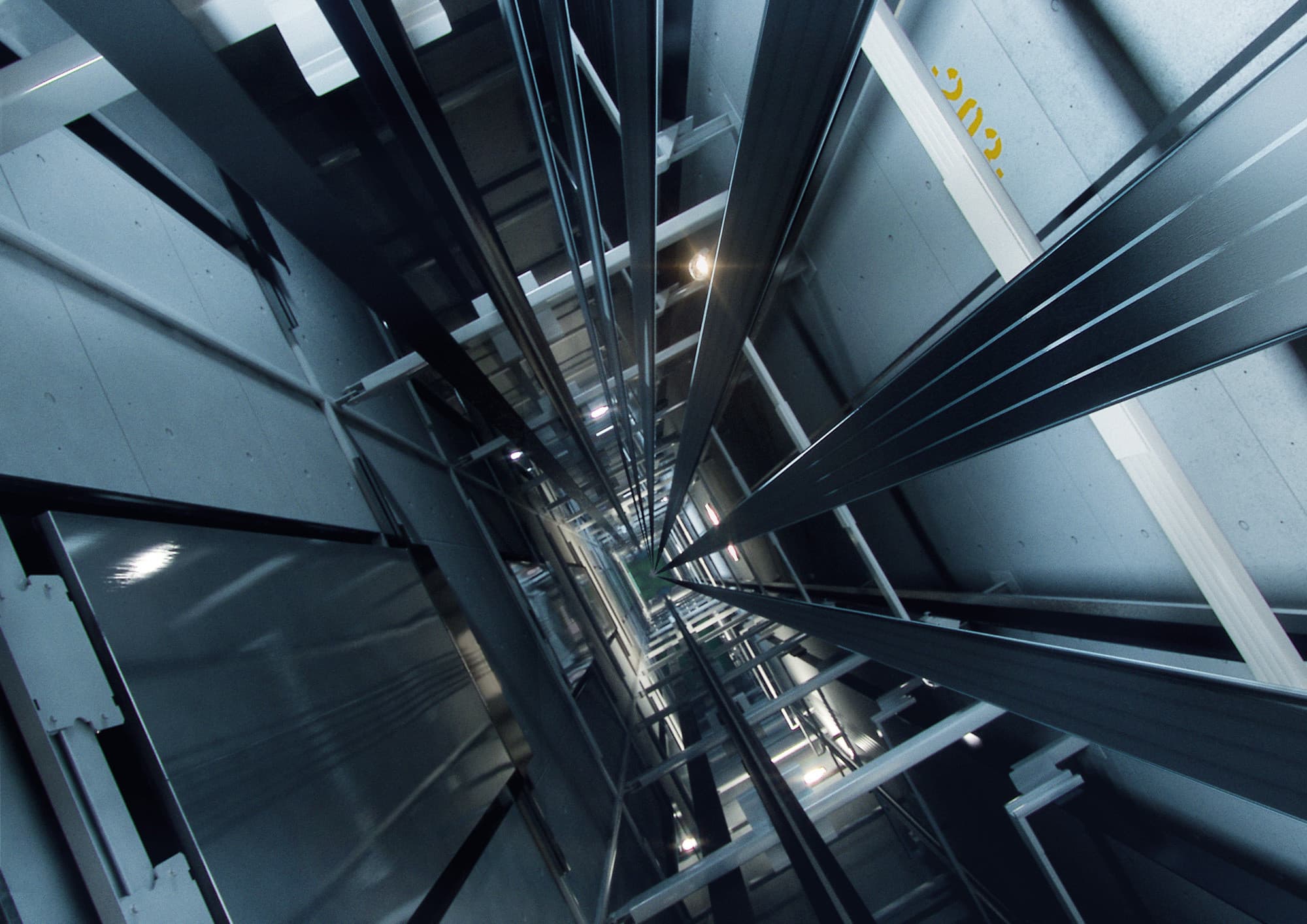
Connecting a moving elevator cabin to the network has never been easy.
Traditional approaches often involve:
u Traveling cables
u Specialized wiring systems
u Complex installation inside elevator shafts
These methods can increase:
u Installation cost
u Maintenance complexity
u Long-term failure points
In retrofit projects running cables through an existing shaft can be especially tough.
How a 5G Elevator Monitoring Solution Works
A modern wireless elevator monitoring setup usually combines:
u 5G connectivity
u bridges or point-to-point transmission
u IP cameras and monitoring systems
In many deployments the structure looks like this:
Step 1: Network Source
A wireless bridge is installed near the top or bottom of the elevator shaft. This bridge connects to a 5G router or the buildings main network.
Step 2: Wireless Connection
Another bridge device is installed on top of the elevator cabin. As the elevator moves the wireless bridge keeps communication with the fixed bridge. This avoids the need for moving network cables.
Step 3: Camera and Monitoring Integration
Inside the elevator cabin:
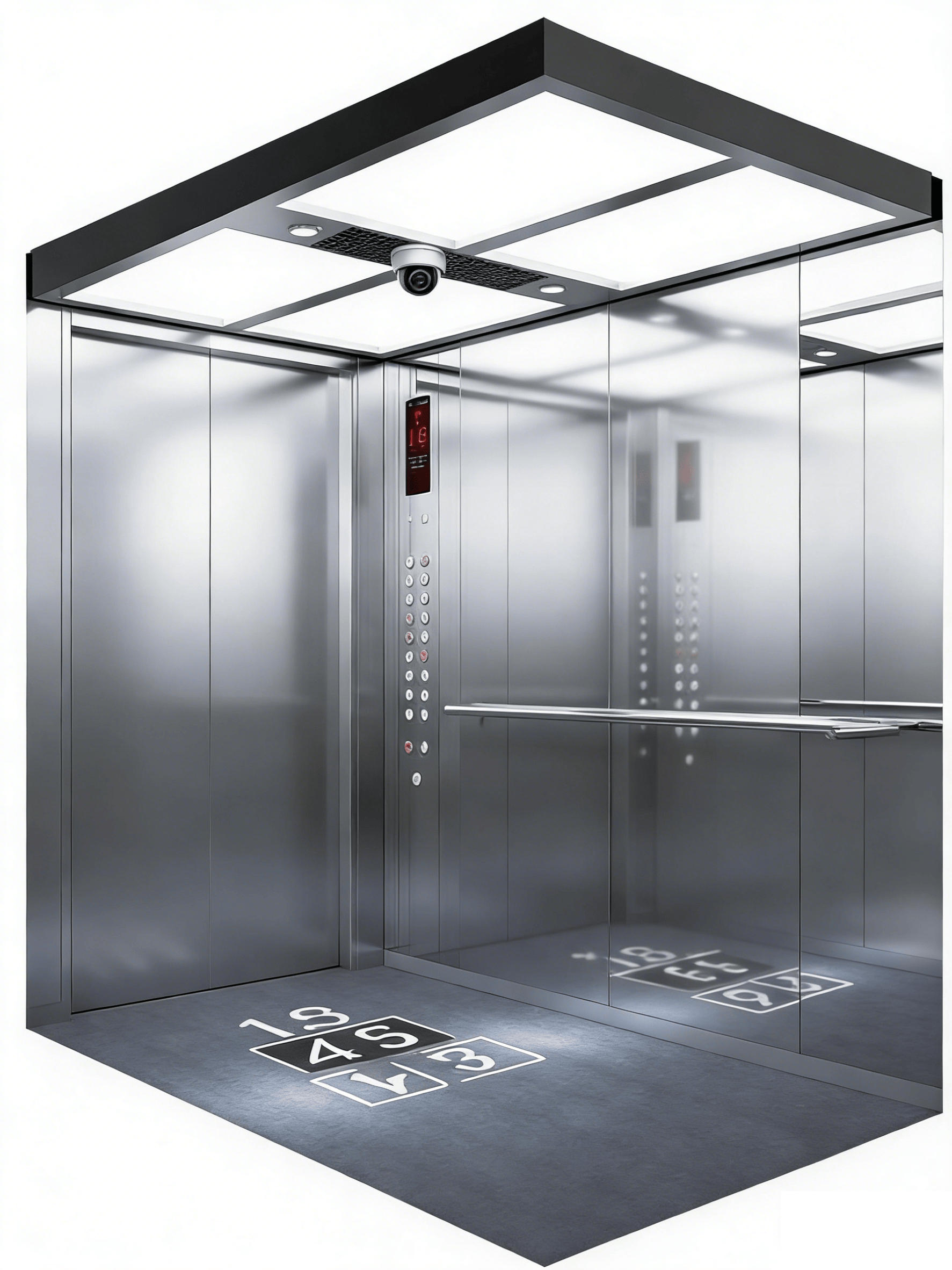
u Surveillance cameras
u Emergency communication systems
u Monitoring devices
connect to the bridge through Ethernet. The data is then transmitted wirelessly through the 5G-connected network.
Why 5G Makes This Easier
Compared with networking methods 5G offers several practical advantages for elevator monitoring.
1. Faster Deployment
One of the advantages is reduced installation complexity. 5G-based systems can often be deployed faster. This is particularly useful in:
u Existing buildings
u Retrofit projects
u Temporary installations
2. Flexible Network Access
5G allows elevator systems to connect when:
u Fixed broadband is unavailable
u Fiber deployment is delayed
u The building infrastructure is limited
This flexibility is important for:
u Construction elevators
u sites
u Remote facilities
3. Real-Time Video Transmission
5G networks provide enough bandwidth for:
u HD surveillance
u Monitoring
u Real-time diagnostics
With proper signal conditions and stable wireless bridge design video streams can remain reliable during elevator movement.
4. Reduced Maintenance Complexity
Wireless architectures reduce dependence on moving cables which're often a long-term maintenance concern. In projects fewer physical cable movements mean:
u Lower wear and tear
u Reduced failure risk
u Easier future upgrades
Key Design Considerations
In practice a stable elevator monitoring solution depends on more than adding a 5G router. Several factors matter:
u Wireless bridge alignment
u Elevator shaft structure
u RF interference
u Antenna placement
u Signal coverage inside the building
From our experience proper planning is essential for maintaining communication while the elevator moves continuously.
Where 5G Elevator Monitoring Is Commonly Used
We're seeing adoption in:
u Residential buildings
u Commercial towers
u Hospitals
u Industrial facilities
u Smart city projects
u Construction elevators
In newer projects wireless monitoring is becoming part of the standard infrastructure design.
The Growing Role of Remote Management
Another trend is the move toward monitoring. With 5G connectivity operators can:
u Monitor elevator status
u Access live video feeds
u Receive fault alerts in real time
u Reduce on-site maintenance visits
This becomes especially valuable for:
u building deployments
u Property management companies
u Large commercial facilities
Our Perspective at SUNCOMM
From what we've observed elevator monitoring is no longer just about cameras. Its becoming part of the broader smart building ecosystem. What makes 5G especially attractive, in this scenario is not speed but:
u Deployment flexibility
u Reduced installation complexity
u scalability
Combined with stable wireless bridge architecture 5G provides a practical way to modernize elevator connectivity without relying entirely on traditional wiring methods.
Final Thoughts
As buildings get more connected elevator systems are changing from infrastructure into networked remotely managed systems. 5G-based elevator monitoring solutions help simplify deployment while supporting:
u Real-time surveillance
u Remote diagnostics
u networking
For many projects. Especially retrofits and smart building upgrades. Wireless connectivity is no longer just an alternative. It is becoming the approach.


