
Which one is better for your home or business in 2026?
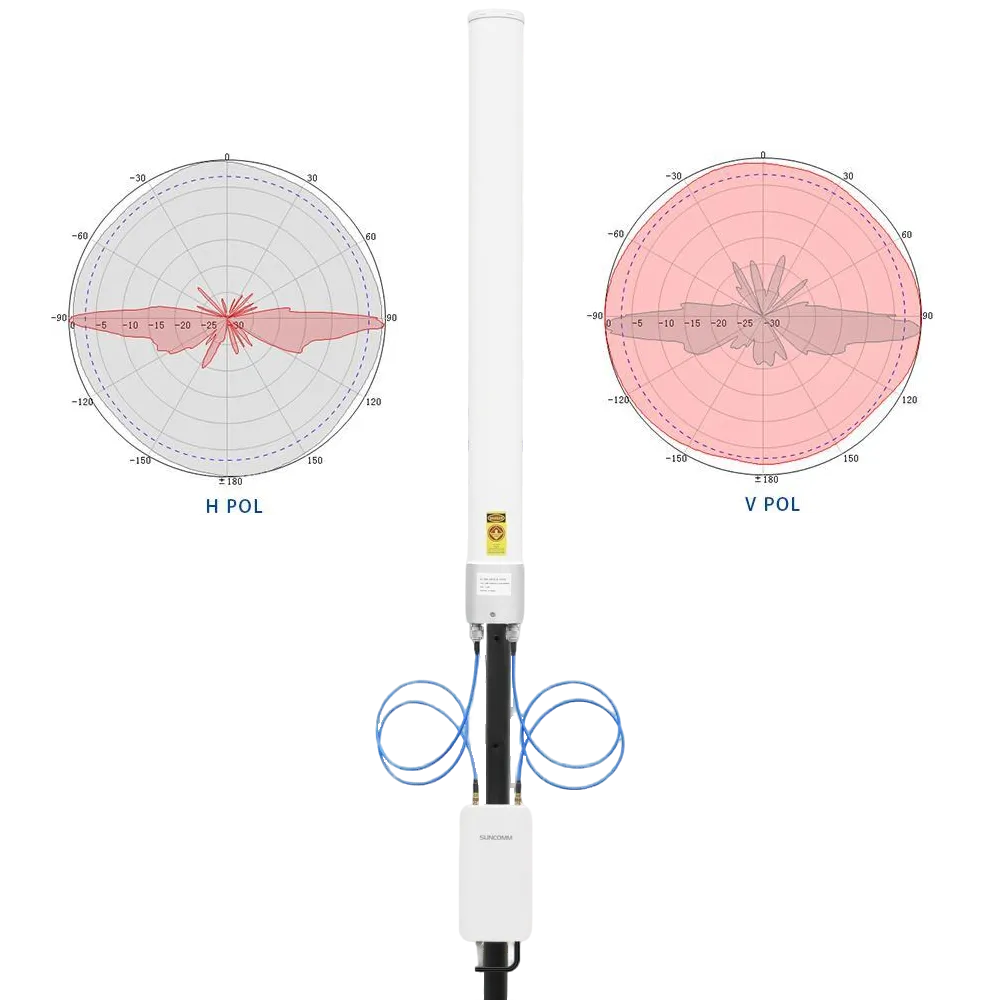
Nowadays you do not have to use cables to get internet. A SIM card router, also known as a 4G or 5G router can give you internet without any cables.
So how does it compare to broadband like fiber or cable internet?
At SUNCOMM we have tried both types of internet in places and situations. The answer is not the same for everyone. It depends on how the internet network's set up and what you want to use it for.
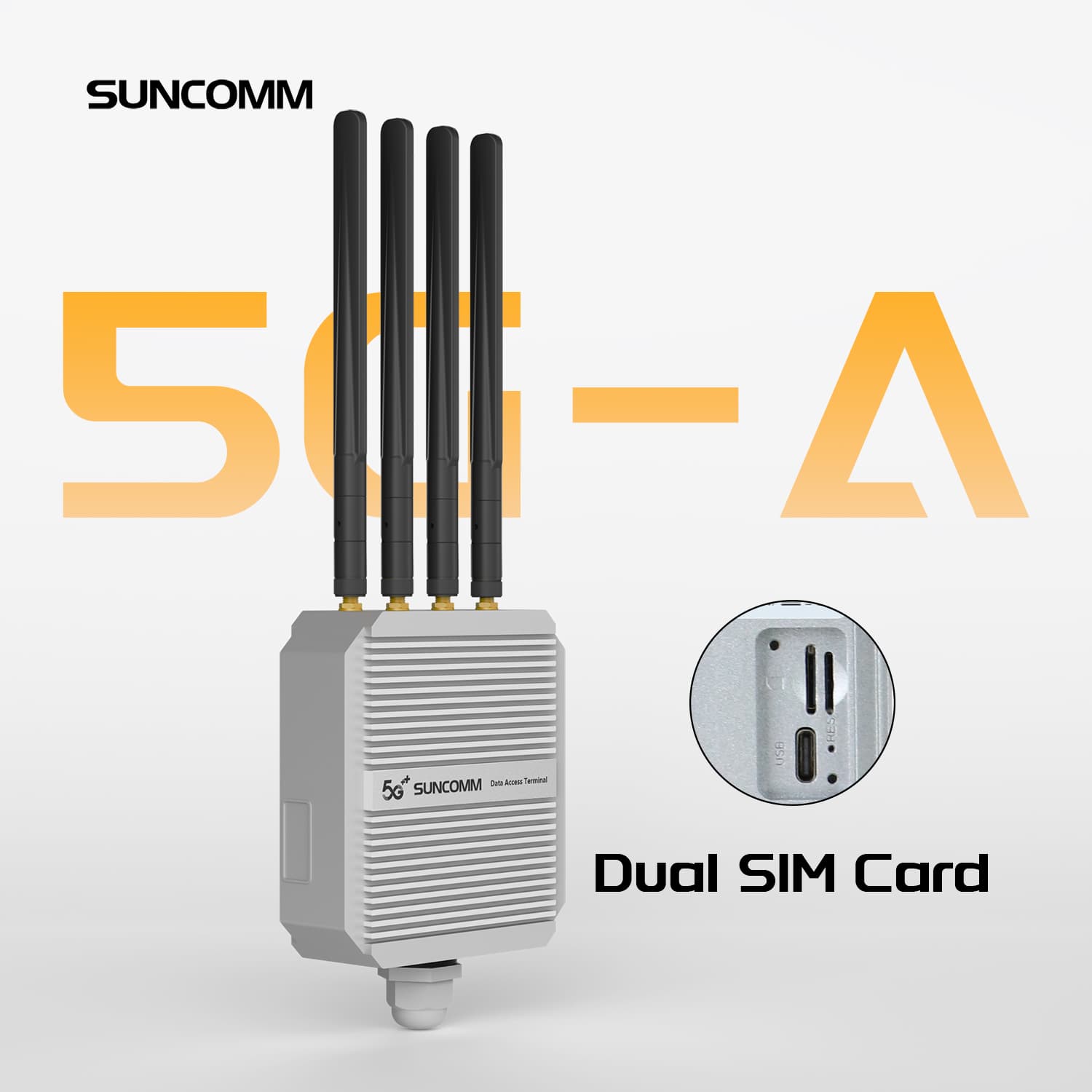
A SIM card router uses a phone network to connect to the internet. You put a SIM card in the router. It connects to the internet using nearby phone towers.
Then it converts that connection into Wi-Fi or Ethernet so you can use the internet on your devices. You do not need any cables or installation.
Traditional broadband includes fiber, cable and DSL internet. These types of internet use cables to connect to your home or office.
They usually require a technician to install them and the quality of the internet depends on the infrastructure.
One big difference between SIM card routers and traditional broadband is how quickly you can get online.
SIM Card Router
You can plug it in. Use it right away usually within minutes. You do not need a technician to install it.
Traditional Broadband
You need to schedule an installation. It may take days or weeks to get it set up.
In cases people choose SIM card routers because they can get online right away.
New 5G routers can give you fast internet speeds from 100 Mbps to 1 Gbps or more depending on the network.
This is similar to traditional broadband plans. However the speed of your internet also depends on the strength of the signal how many people are using the network and how the network is set up.
Fiber internet on the hand usually gives you more consistent speeds and less variation over time.
This is often overlooked,. It is important for things like video calls uploading files to the cloud and working remotely.
Fiber internet usually gives you more consistent upload speeds.
SIM card routers can have slower and more variable upload speeds. Some 5G networks are getting better at this.
Traditional broadband, fiber usually has lower and more stable latency.
SIM card routers can have higher latency and it can vary depending on the signal and network load.
This difference can be noticeable when you are gaming working with others in time or using critical systems.
A SIM card router is not tied to one location. You can move it around use it temporarily or set it up in areas without cables.
We have seen a lot of demand for this in places like markets, remote work setups and temporary deployments.
Traditional broadband does not offer this kind of flexibility.
Traditional broadband reliability depends on the quality of the cables, local infrastructure and physical damage risks.
SIM router reliability depends on the cellular signal quality, base station density and network load.
In cities with 5G coverage the performance can be very stable. In low-signal areas it may fluctuate.
The cost of SIM card routers and traditional broadband varies depending on the region.
The upfront cost is usually lower. You need to pay for a data plan. You can often get plans without long-term contracts.
You may need to pay installation fees and fixed plans. However the cost per GB can be better for users.
Choose a SIM Card Router if:
* You need internet quickly
* Fiber or cable is not available
* You move frequently
* You need a connection
* You require mobile setups
Choose Traditional Broadband if:
* You need maximum stability
* You rely on low latency
* You require high symmetrical upload speeds
* You have access to fiber
It is not always about choosing one or the other. We are seeing hybrid setups that combine both SIM card routers and traditional broadband.
This can give you redundancy, better uptime and more control over your network performance.
From what we have seen SIM card routers are no longer a backup option. They are a primary connection in many scenarios, especially where deployment speed matters infrastructure is limited and flexibility is required.
However traditional broadband, fiber still leads in stability, consistency and predictable performance.
The choice between a SIM card router and traditional broadband is not about which one is better overall. It is, about what fits your situation.
If you value flexibility and fast setup SIM-based routers are hard to beat. If you need long-term stability traditional broadband still has the edge.
In cases the most practical solution is not choosing one but using both together.