

People always want a straight answer when asking whether 5G or fiber is the better choice for home internet. But after testing this stuff for years all over the place—the U.S., the Middle East, Europe, and Southeast Asia—we at SUNCOMM always say the same thing:
It all boils down to location, how the network is put together, and the kind of reliability you're after.
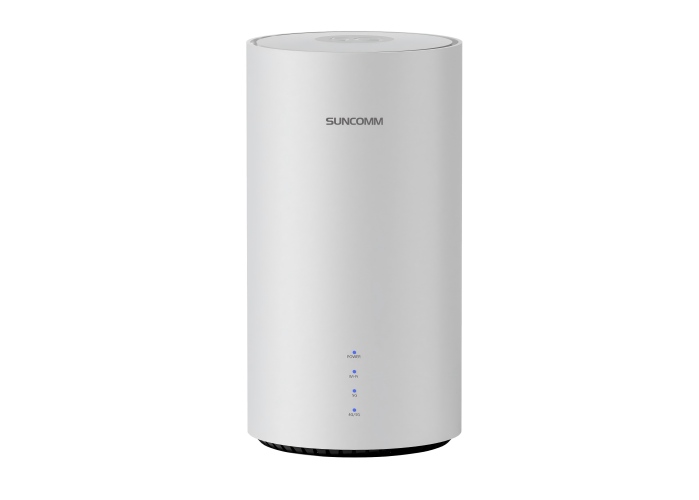
We've messed around with 5G FWA CPEs—specifically our high-performance 5G CPE devices— in packed cities, suburbs, and even out in the sticks. We’ve put them head-to-head against fiber connections in actual homes. This isn't just pie-in-the-sky stuff but based on what we saw firsthand.
Let's kick things off with fiber.
If you're in a country where FTTH is common, like Germany or some parts of the U.S., fiber is still top dog when it comes to:
Consistent, super-low lag
Equal upload and download speeds
No radio interference
Steady speed, no matter how much your neighbors are online
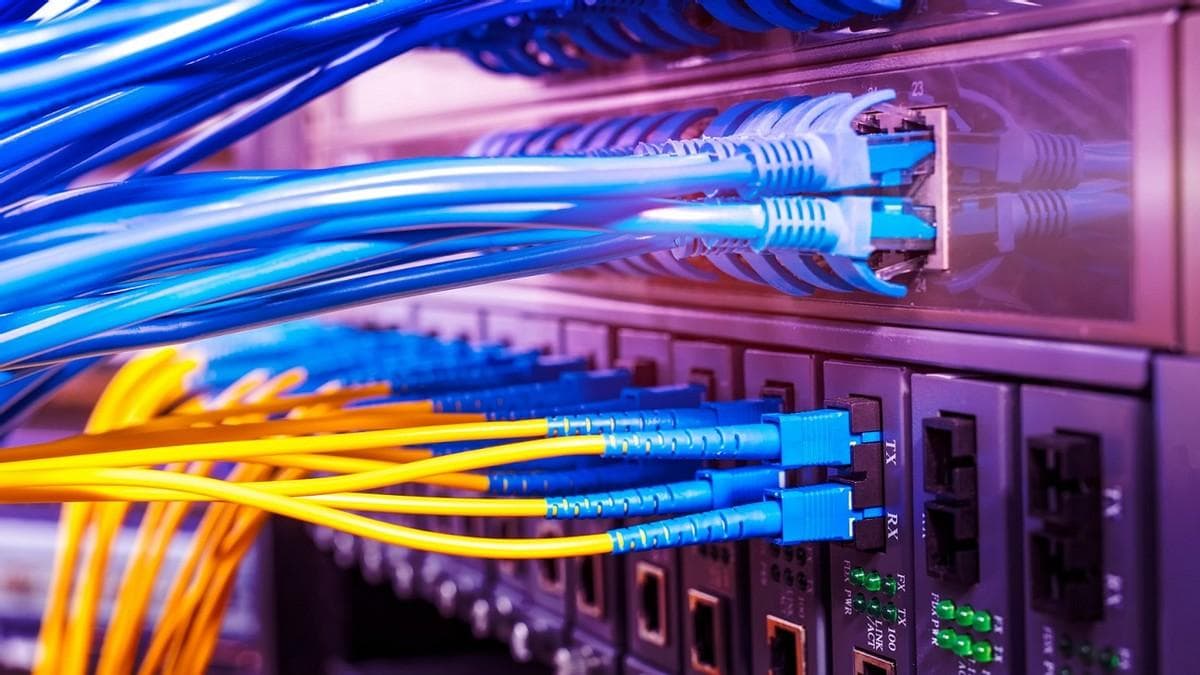
When fiber's hooked up right with solid gear, it's super dependable, which is something wireless networks find hard to match.
In cities in Germany and parts of Italy that are getting more and more FTTH, we kept seeing rock-solid ping times and almost no lost data, even when everyone was online. Simply put, if you can get your hands on reliable and affordable fiber, it's tough to beat when it comes to pure, unadulterated steadiness.
Alright, onto 5G Fixed Wireless Access (FWA).
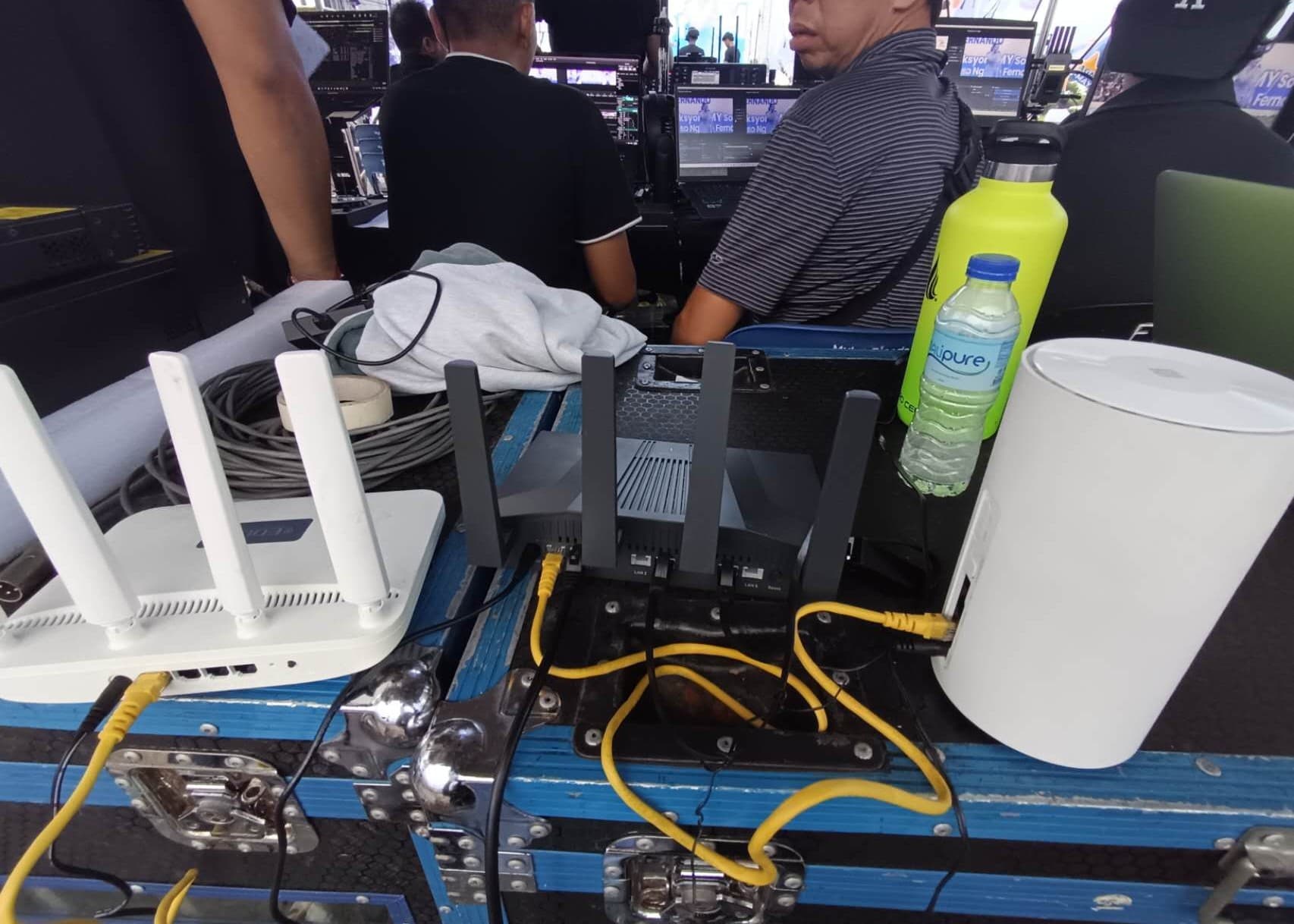
Over in the U.S., mainly in the suburbs where fiber hasn't fully arrived, 5G FWA can often hit 300–700 Mbps in the real world. Setup? Done in minutes, not weeks.
In Saudi Arabia and the UAE, we noticed companies set up 5G super quick, covering new homes before fiber was even an option.
And in Thailand and Malaysia, 5G FWA is often the main way to get online in areas where fiber is taking its sweet time or is just spotty.
The thing that stands out in these spots isn't that 5G is faster than fiber, but more that:
It can be installed way quicker
It skips all the construction delays
It can grow fast as demand does
So, when it comes to getting things going, 5G is super quick on its feet.
From our international testing, a few things kept popping up.
1. Speed Bursts vs. Lasting Stability
5G can sometimes give you faster speeds than basic fiber plans, especially if you're in a good spot for mid-band or mmWave.
But, when the cell is packed, 5G can get shaky. Fiber, on the other hand, usually keeps a steady pace, no matter how many people nearby are online.
In some U.S. suburbs, we clocked that 5G FWA speeds during those peak evening hours could bounce around based on how busy the cell was. Fiber in those same areas? Pretty much the same as always.
2. Upload Speed is a Big Deal
One thing we've learned time and again is that upload speed matters more to people than download.
Video calls, saving stuff to the cloud, working from home—all guzzle upload speed.
Fiber usually dishes out matching upload and download speeds.
5G upload speeds depend on how good your signal is, how the network is set up, and how the CPE is made.
In Saudi Arabia and the UAE, where their mid-band 5G is strong, upload speeds were impressively smooth. But in busier U.S. suburbs, that upload could get a bit wonky.
That's why we focus seriously on making sure our CPEs have great upload speeds as a professional 5G router company.
3. Easy Setup and Moving Around
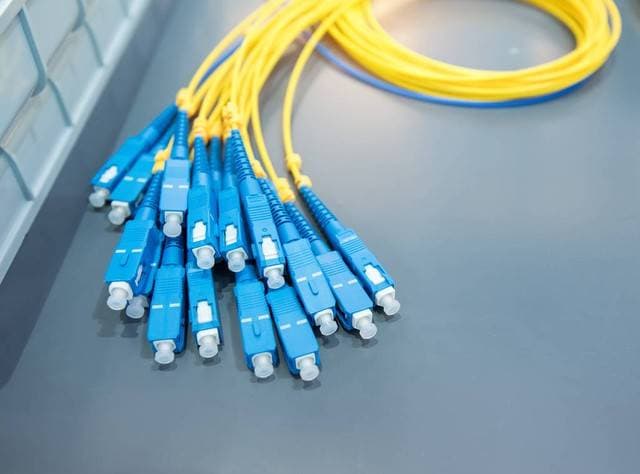
Fiber needs someone to come and set it up for you
You gotta Book a tech
They need to drill or run cables
And once it's in, it's stuck there
5G FWA? Just needs power and a signal.
In Southeast Asia, many people pick 5G simply because they move a lot. In parts of Italy and Malaysia, being able to take your internet with you is a huge plus.
From the user's view, this freedom is often not appreciated until you need to move.
Fiber's reliability counts on how solid the equipment is.
5G's reliability hangs on radio conditions.
In Germany and parts of Italy, where the fiber cables are buried, outages are rare.
But if the fiber is above ground or old, weather can still mess things up.
For 5G, reliability rides on:
Signal strength
How the network is planned
Number of cell sites nearby
How the CPE antenna is designed
In the UAE, where 5G networks are everywhere and modern, things have been rock solid. But in more rural spots in the U.S. with fewer cell sites, performance can jump around more.
Neither tech is perfect for everyone—it depends on how well the network is built.
Fiber needs a lot of cash and time to set up.
5G needs money too but adding a new user is quick and cheap once the cell sites are up and running.
In new suburbs in Saudi Arabia and parts of Southeast Asia, whole areas are getting connected via 5G months or even years before fiber shows up.
From a national view, 5G really speeds up getting everyone online.
From messing around in the field in all these different places, here's what we really think:
If you can get stable, affordable fiber → It's still the most dependable choice in the long run.
If fiber is slow, pricey, or not an option → 5G FWA is often the most sensible alternative that can grow with you.
In places where people move a lot → 5G is super flexible.
In markets with well-engineered 5G (like parts of the UAE or Saudi Arabia) → Fiber and 5G are closer than you might think.
It's not just wireless versus wired anymore.
It's about how well things are set up and how good the engineering is.
After testing across North America, the Middle East, Europe, and Southeast Asia, we don't think 5G will replace fiber.
We see them as working together.
Fiber builds the main pipelines.
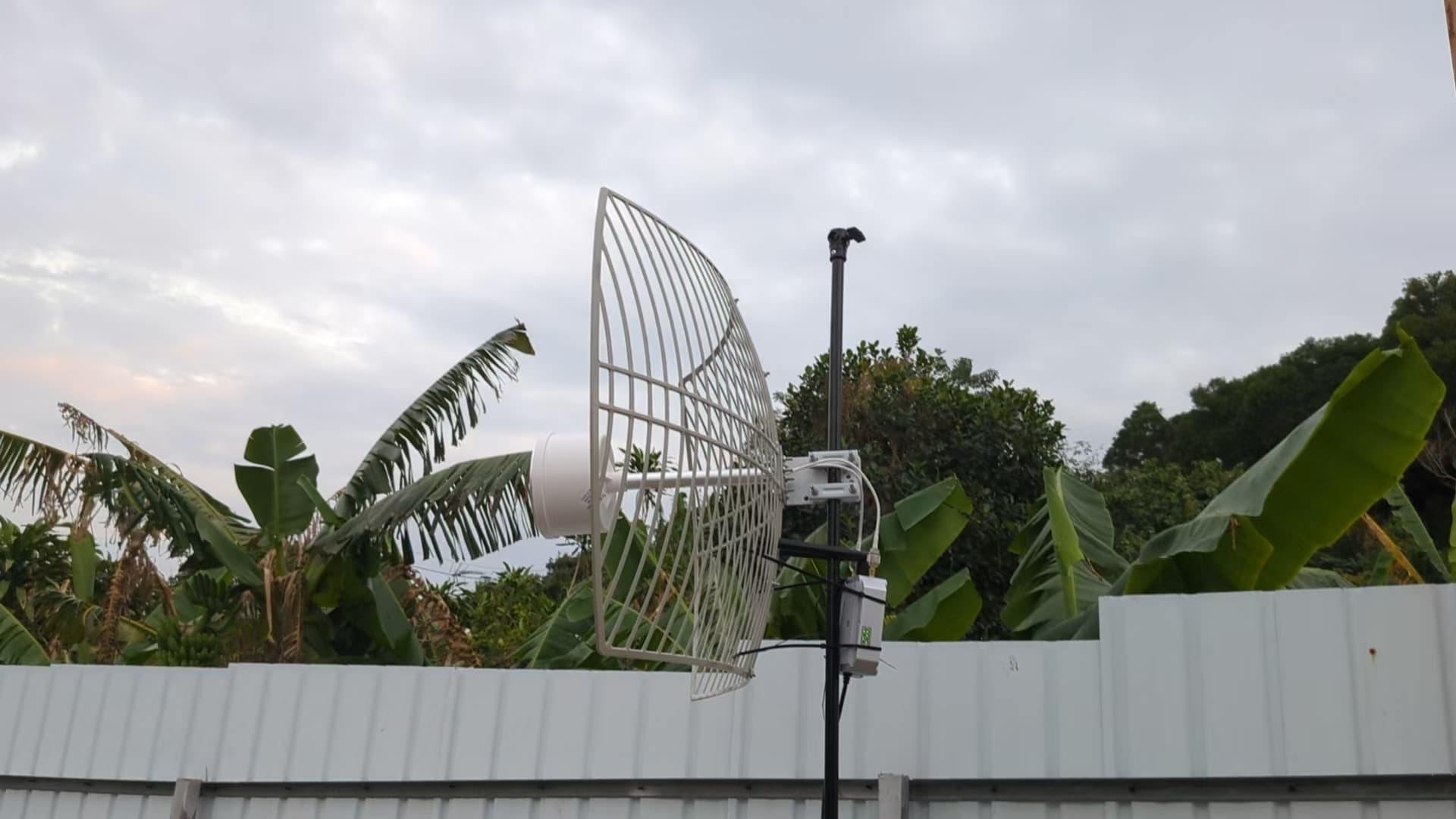
5G brings quick setup and flexible connections.
In many countries, the future of home internet won't be one or the other.
It'll be a mix where both exist – and sometimes compete.
And from what we've seen, when 5G networks are planned smart and CPE devices are built for steadiness, not just speed, the difference in experience keeps getting smaller.
Drawing on 15+ years of telecommunications R&D, SUNCOMM has conducted extensive global field tests to bridge the gap between 5G FWA and traditional Fiber-optic performance. By cooperating with Tier-1 operators, we have optimized our enterprise-grade 5G CPEs—such as the SDX62 5G CPE Router—to ensure that high-capacity wireless broadband can meet the rigorous demands of business environments. Whether as a primary connection in underserved areas or a robust failover solution for mission-critical operations, our hardware is engineered to deliver fiber-like stability and high-throughput reliability, helping our partners achieve rapid digital transformation without the constraints of physical infrastructure.
Talk to our experts for more help.


