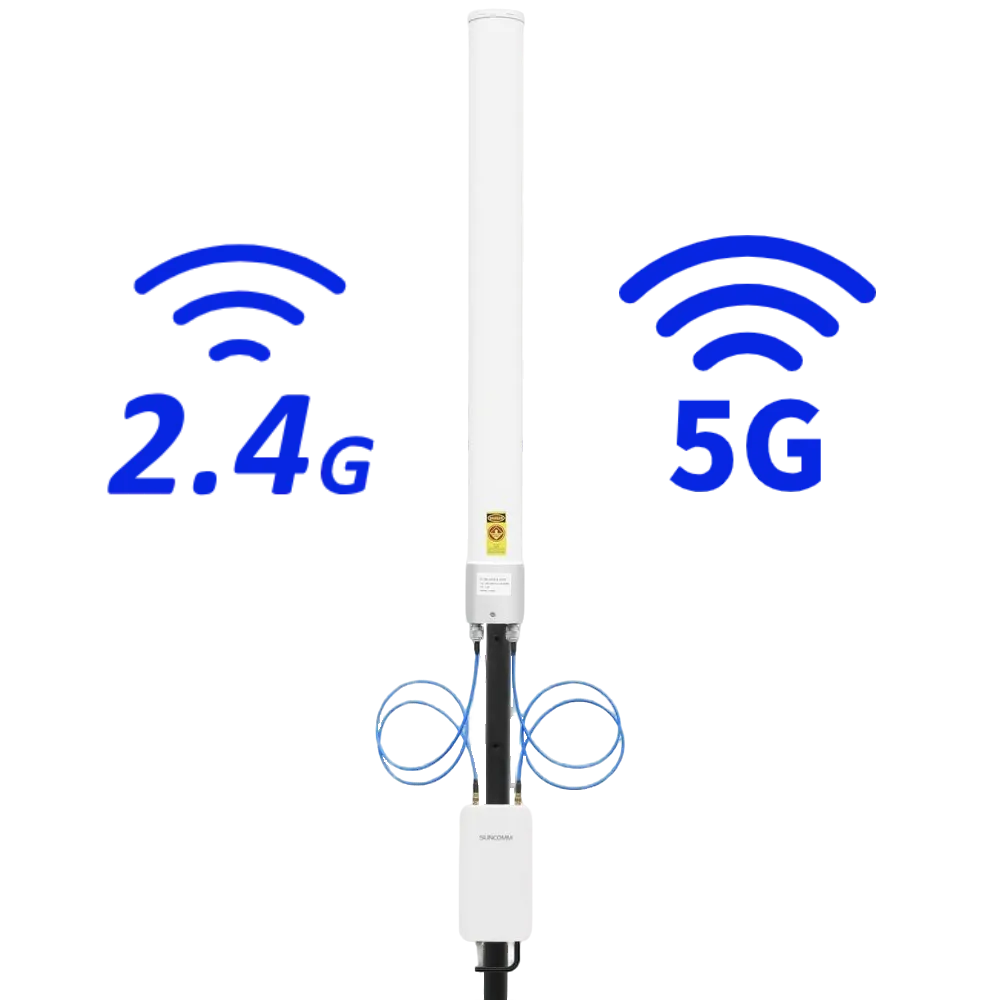

MIMO technology is really important when it comes to 5G routers.
When people compare 5G routers they often look at things like:
l Download speed
l Wi-Fi generation
l 5G chipset specifications
One thing that has a big impact on how well the router works in the real world is often overlooked: MIMO technology.
If you have seen things like 2×2 MIMO, 4×4 MIMO on a 5G router specification sheet you might have wondered what they actually mean and if they really matter.
From our experience at SUNCOMM MIMO technology is one of the things that makes modern 5G performance work well especially in tough environments where the signal quality is more important than the speed.
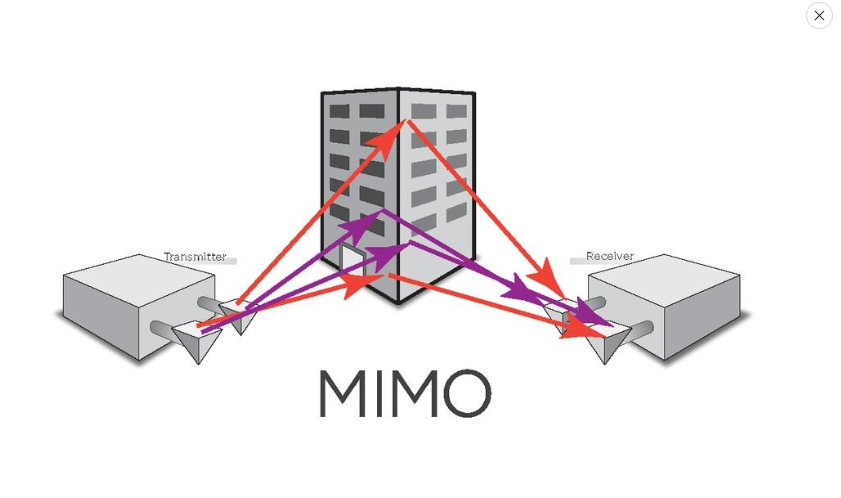
MIMO stands for Multiple Input Multiple Output.
In terms MIMO technology allows a router and a cellular base station to use many antennas at the same time to send and receive data.
Of relying on just one signal path the system creates many parallel data streams.
Think of it like turning a single-lane road into a -lane highway:
l More lanes
l More data sent at the time
l Better overall efficiency
Why is MIMO technology important in 5G?
5G networks are designed to handle things like:
l bandwidth
l More connected devices
l Faster data transmission
Without antenna technologies like MIMO technology it would be hard to achieve these goals in real environments.
MIMO technology helps improve things like:
l Data throughput
l Signal reliability
l Spectral efficiency
l Coverage consistency
In cases the quality of the antenna system affects performance just as much as the modem itself.
How does MIMO technology work in practice?
Traditional wireless systems use one antenna to send. One antenna to receive.
MIMO technology changes this by allowing many antennas to send data streams and receive signals from different paths at the same time.
5G networks also take advantage of signal reflections from things like:
l Buildings
l Walls
l Urban environments
of treating reflections as interference MIMO technology can use them to improve transmission efficiency.
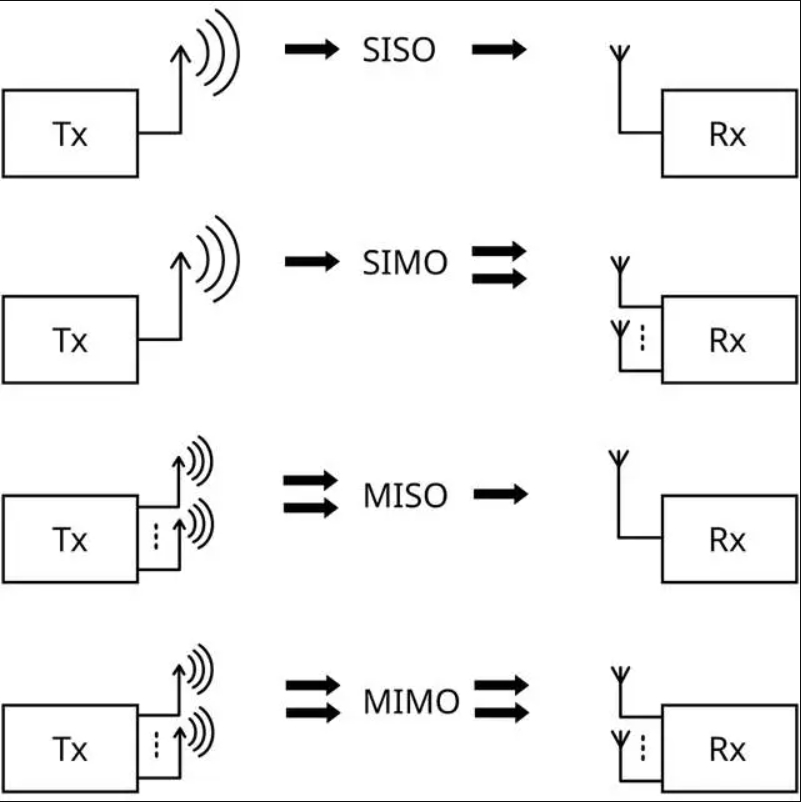
The numbers in MIMO specifications describe the number of transmit antennas. Receive antennas.
For example:
l 2×2 MIMO: two transmit paths and two receive paths, which is common in entry-level devices
l 4×4 MIMO: four transmit and four receive paths which's much more common in high-performance 5G routers and offers better throughput and stability
In practice moving from 2×2 to 4×4 MIMO often creates a noticeable improvement in real-world performance.
MIMO technology is not just about speed.
A common misconception is that MIMO technology only increases download speed.
In reality one of its advantages is improving things like:
l Stability
l Signal quality
l Reliability in weak-signal environments
During field testing we have seen 4×4 MIMO setups maintain much more stable performance in things like:
l Dense urban areas
l Indoor deployments
l Congested networks
This becomes especially important for FWA (Fixed Wireless Access) applications.
For 5G routers and CPE devices MIMO technology directly affects things like:
l Signal reception
l Carrier aggregation efficiency
l Uplink consistency
l Overall network stability
A powerful modem alone cannot deliver results if the antenna system is poorly designed.
This is why performance 5G CPE products often place heavy focus on things like:
l Antenna layout
l RF isolation
l structure
l Internal spacing
From our experience good RF design is often what separates products from inconsistent ones.
The environment matters a lot.
Deployment: signals may be affected by things like walls, glass, furniture and building materials.
In these cases antenna placement becomes critical.
Outdoor deployment: outdoor CPE devices often achieve line-of-sight cleaner signal paths and higher MIMO efficiency.
This is one reason outdoor 5G routers frequently outperform units in weak-signal areas.
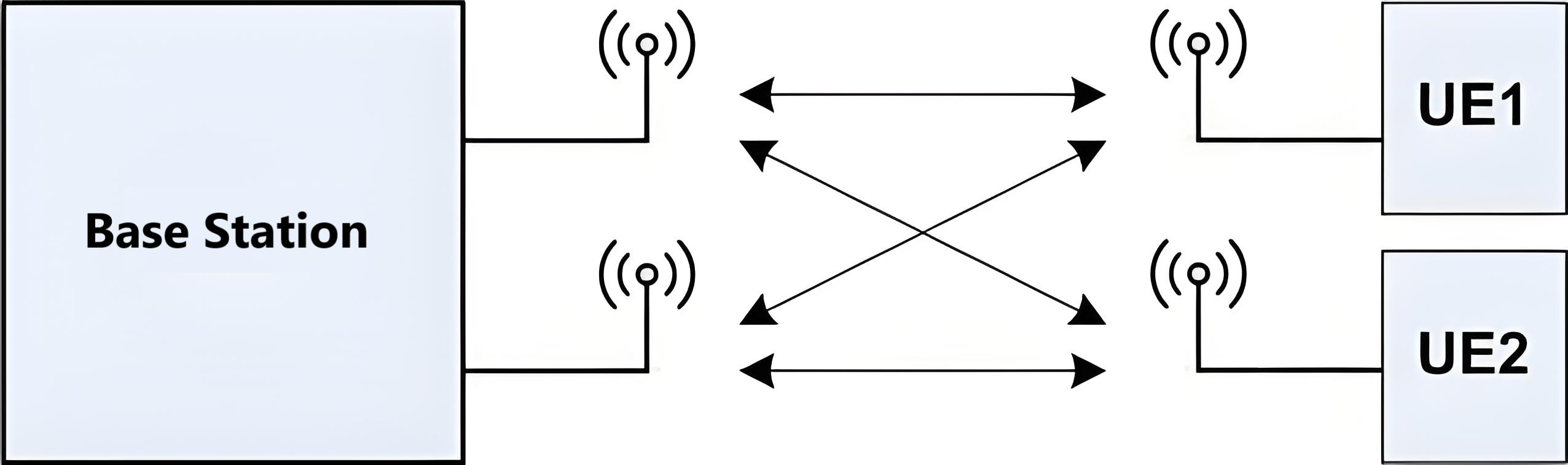
On the operator side 5G base stations also use forms of MIMO technology known as Massive MIMO.
These systems use antenna arrays to serve many users at the same time improve beamforming and increase network capacity.
Massive MIMO is one of the technologies that enable 5G networks to support dense urban environments efficiently.
Common myths about MIMO technology
Some people think that more antennas always mean speeds.
That is not necessarily true.
Performance also depends on things like network configuration, signal quality, carrier aggregation support and environmental conditions.
Another myth is that MIMO technology only matters near the base station.
Actually MIMO technology often becomes more important in difficult signal conditions because it improves reliability and reception efficiency.
From what we have seen in deployments MIMO technology is one of the most important parts of 5G router design—but also one of the least visible to end users.
People often compare things like:
l Chipsets
l Peak speed claims
l Wi-Fi versions
But long-term user experience is heavily influenced by things like:
l Antenna architecture
l RF tuning
l MIMO implementation quality
A designed 4×4 MIMO system can outperform higher-spec hardware with weaker RF engineering.
MIMO technology is one of the core foundations behind 5G performance.
It helps routers and networks transmit data improve stability and maintain stronger connections in real environments.
As 5G continues evolving toward 5G-Advanced advanced MIMO systems will become even more important for things, like:
l High-density networks
l FWA deployments
l Enterprise connectivity
l Future wireless infrastructure
In ways MIMO technology is not just an antenna feature—it is one of the reasons modern 5G works as well as it does.