

Why wireless connectivity is a part of what makes modern cities work
The idea of a "smart city" has been around for a while but now it is actually happening in many places. Cities are using systems to manage things like transportation, surveillance, public services, energy and the environment.
There is one thing that these systems need to work properly: reliable and flexible network connectivity. Without it the whole system falls apart.
This is where 5G routers come in. They are becoming very important for city projects. At SUNCOMM we have seen a lot of demand for 5G networking solutions for things like transportation, public surveillance and industrial IoT.
What defines a smart city? It’s a city that leverages technology to improve the quality of life for its residents. Examples of this include:
l Urban management
l safety
l Transportation efficiency
l Energy usage
l Environmental monitoring
l Citizen services
These systems need to stay in constant communication. They do this using things like sensors, cameras, control centers, and cloud platforms.
The problem is that cities are always changing. New buildings go up roads get. New events happen all the time. It is hard to keep up with all of these changes using networks.
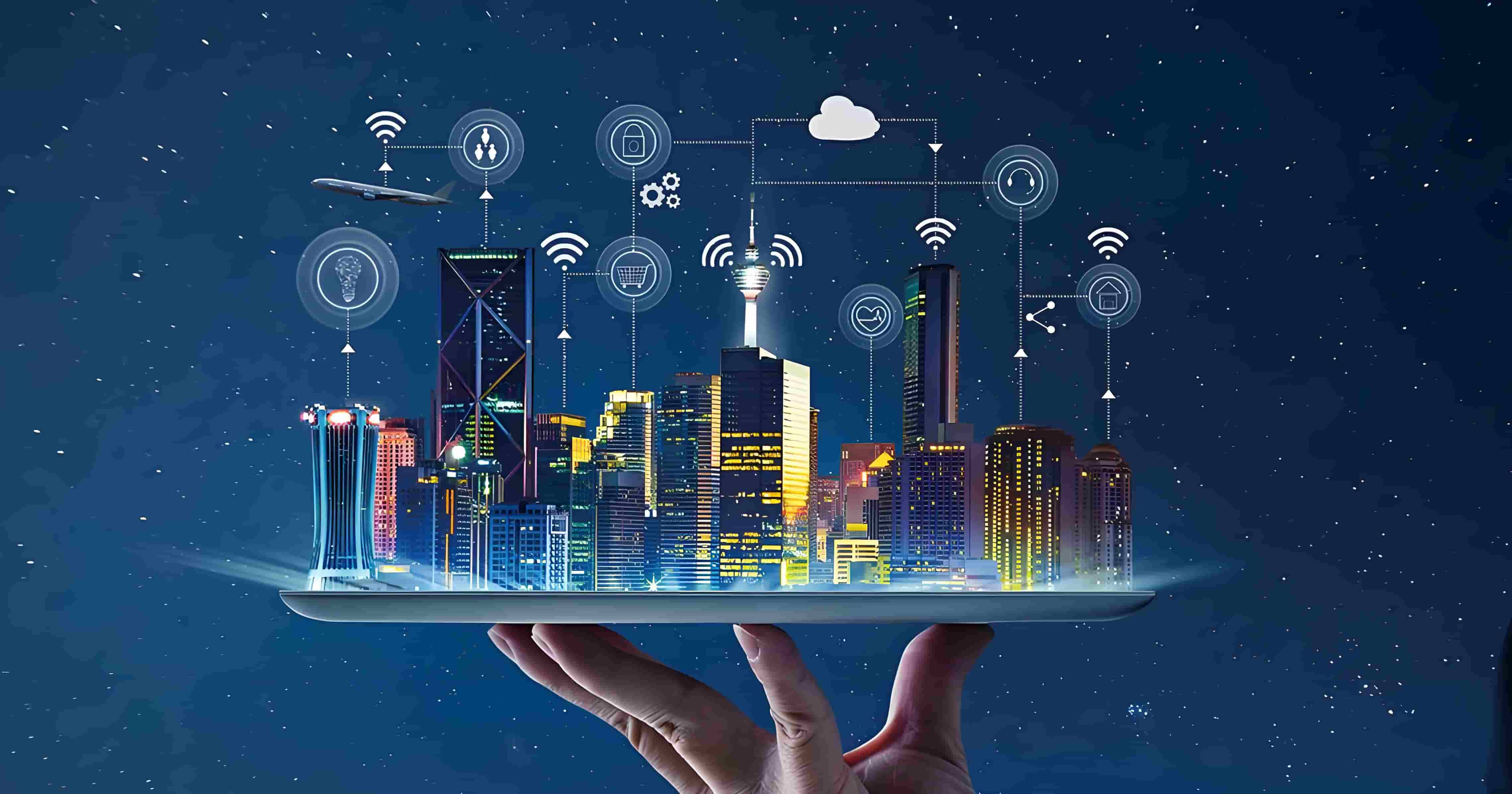
Networks were not made to handle the needs of smart cities. They were designed for fixed locations. Smart cities need to be able to move and change quickly.
5G helps with this because it is wireless fast and can handle a lot of devices at once. It is also easier to set up than wired networks.
For city projects getting things up and running quickly is just as important as having a fast network.
A 5G router enables field devices to connect to the broader network by converting cellular connectivity into usable formats such as Ethernet or Wi-Fi. This allows devices to access the network from any location without the need for a wired connection to be installed. We’ve observed 5G routers being deployed in environments where running physical cables is challenging—for example, on construction sites or in busy, high-traffic areas.
Some Common Ways 5G Routers are Used in Smart Cities
1. Smart Surveillance Systems
Public surveillance is one of the most frequent uses of 5G routers. In this context, cities rely on devices like high‑definition security cameras and AI‑driven monitoring systems to observe public spaces.
These systems need to be able to send a lot of video data forth and 5G routers help make this possible.
2. Traffic systems are becoming increasingly intelligent.
They make use of elements such as traffic lights, sensors, and electronic signs to regulate the flow of traffic.
5G routers help these systems talk to each other in time which makes traffic flow more smoothly.
3. Public Transportation Connectivity
Buses, trains and other forms of transportation are getting connected. They use things like passenger Wi-Fi, fleet monitoring and live video transmission to make the ride for passengers.
5G routers help make all of this possible by providing a connection to the network.
4. Environmental Monitoring
Smart cities are also using sensors to monitor things like air quality, water systems and weather. These sensors need to be able to send data to the network in real-time and 5G routers help make this possible.
5. Emergency Infrastructure
5G routers are also used in temporary and emergency situations like natural disasters or big public events. They provide an reliable way to set up a network, which is critical in these situations.

One thing we have learned from working on city projects is that things are always changing. Roads get closed, construction. New events pop up all the time.
5G routers help with this because they are easy to set up and move around. They provide a way to connect devices to the network, which is critical in smart cities.
Edge Computing and Local Intelligence
As smart cities get more advanced they are starting to use something called edge computing. This means that of sending all data to the cloud they are processing it locally right where it is generated.
5G routers and edge gateways are helping to make this possible. They provide a way to process data in time right at the edge of the network.
Challenges Still Exist
with all the advantages of 5G routers there are still some challenges to overcome. Factors such as coverage, network congestion, and device placement can all impact network performance. Additionally, security and long-term maintenance are important considerations.
From what we have seen the future of cities will not rely on just one type of network. Instead cities will use a combination of technologies, like fiber, wireless, edge computing and cloud platforms.
5G routers will play a role, in this helping to connect devices and systems in a flexible and reliable way.
Smart cities need networks that can adapt and change quickly. 5G routers are helping to make this possible by providing flexible and reliable connectivity.
As cities get more connected wireless networking will become more important. It will not replace wired networks but it will complement them providing a way to connect devices and systems in a way that is fast flexible and reliable.