
The material of the router housing plays a crucial role in durability, heat management, and long-term reliability. One material combination stands out for modern networking devices: ABS+PC.
This blended polymer has become a standard in professional-grade electronics because it achieves something rare—strength without unnecessary weight, durability without sacrificing form, and stability without requiring heavy structural reinforcement.
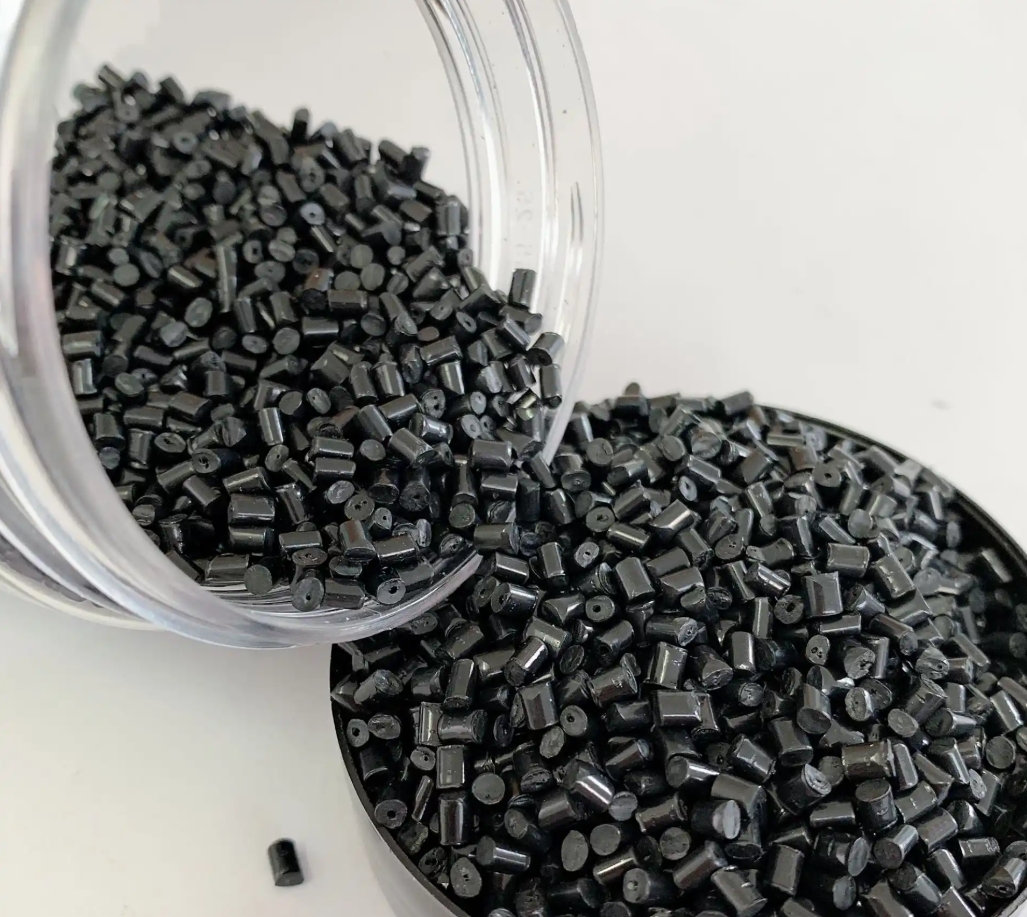
ABS (Acrylonitrile Butadiene Styrene) is known for toughness and impact resistance.
PC (Polycarbonate) is recognized for rigidity, heat resistance, and dimensional stability.
When combined, the result is ABS+PC, a hybrid material that takes the best characteristics of both:
Property | ABS | PC | ABS+PC Blend |
Strength | Good | Excellent | Very Strong |
Heat Resistance | Moderate | High | High + Stable |
Flexibility | High | Low | Balanced |
Weight | Light | Slightly heavier | Lightweight + Reinforced |
Surface Finish | Smooth | Glossy | Smooth, strong, paintable |
In practice, ABS+PC provides a stable housing that can protect sensitive router components while remaining lightweight enough for wall mounting or portable use.
The housing is more than just a cover—it interacts with internal components in subtle but important ways.
Routers used in homes, offices, vehicles, or industrial spaces are subject to accidental impacts.
ABS+PC absorbs shock and prevents cracks, protecting the PCBA board, antennas, and 5G modules inside.
While the housing itself does not cool the router, a well-formed ABS+PC shell helps maintain internal airflow and structural spacing.
This ensures heat is distributed rather than trapped, supporting the thermal design engineers intended.
Routers sometimes operate in hot environments, especially near windows where 5G signal is strongest. PC content in the ABS+PC blend prevents warping and deformation over time.
The blend allows precise molding, resulting in:
1) Smooth surfaces that resist dust buildup
2) Scratch-resistant texture
3) A finish that maintains its appearance through years of use
This is why ABS+PC is widely used in:
1) Networking equipment
2) Automotive interior parts
3) Consumer electronics housings
4) Industrial communication terminals
Another advantage of ABS+PC is weight reduction. A strong shell that isn’t heavy benefits:
Scenario | Benefit |
Wall-mounted router setups | Less strain on mounting brackets |
Travel / mobile networks | Easier to carry or deploy |
Multi-unit Mesh systems | Reduced total installation weight |
RV, marine, and vehicle installs | Secure fit even with vibration |
This makes ABS+PC especially well-suited for compact 5G routers and portable wireless devices.
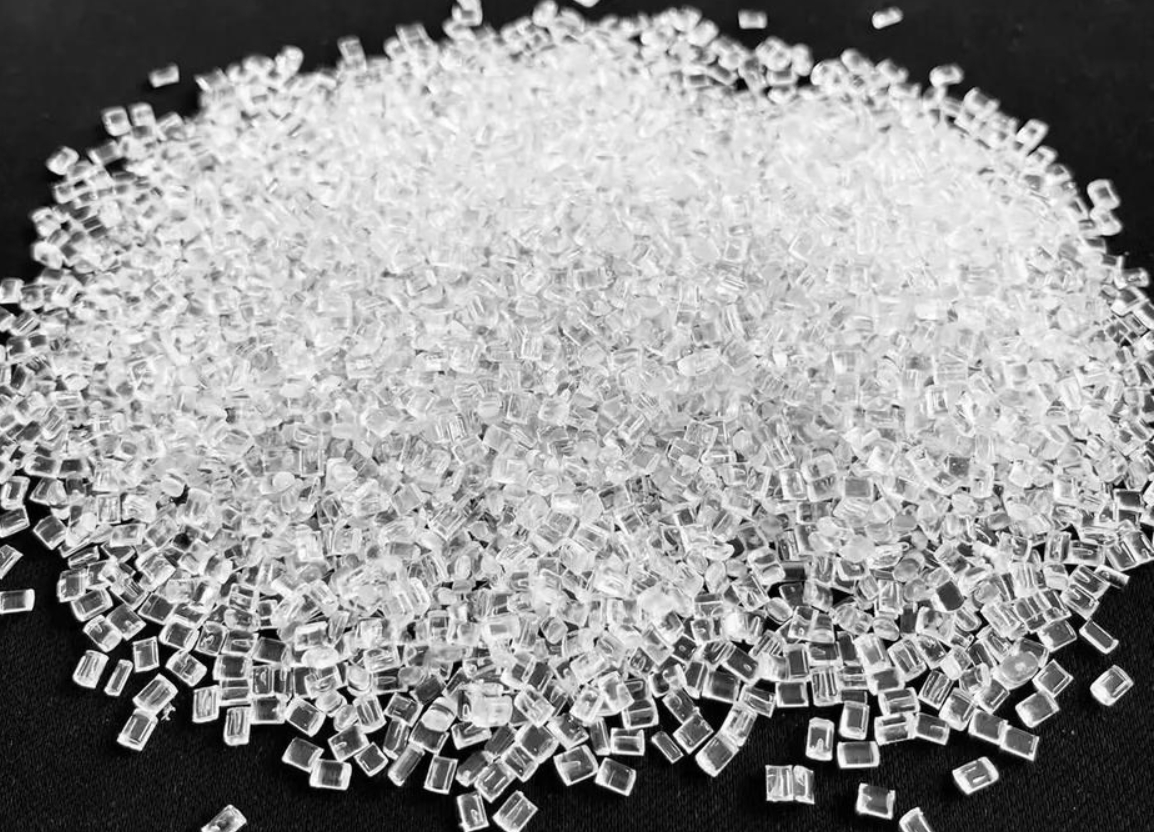
You’ll find ABS+PC used in devices powered by Qualcomm X62 and X75 5G modules, WiFi 6/6E routers, and enterprise gateways.
Manufacturers choose this material because it maintains professional durability without making the device bulky.
Design considerations include:
1) Internal antenna clearance
2) Anti-interference structure layer thickness
3) Passive ventilation channel placement
4) Ergonomic exterior shaping
ABS+PC allows for all of that without compromising signal performance.
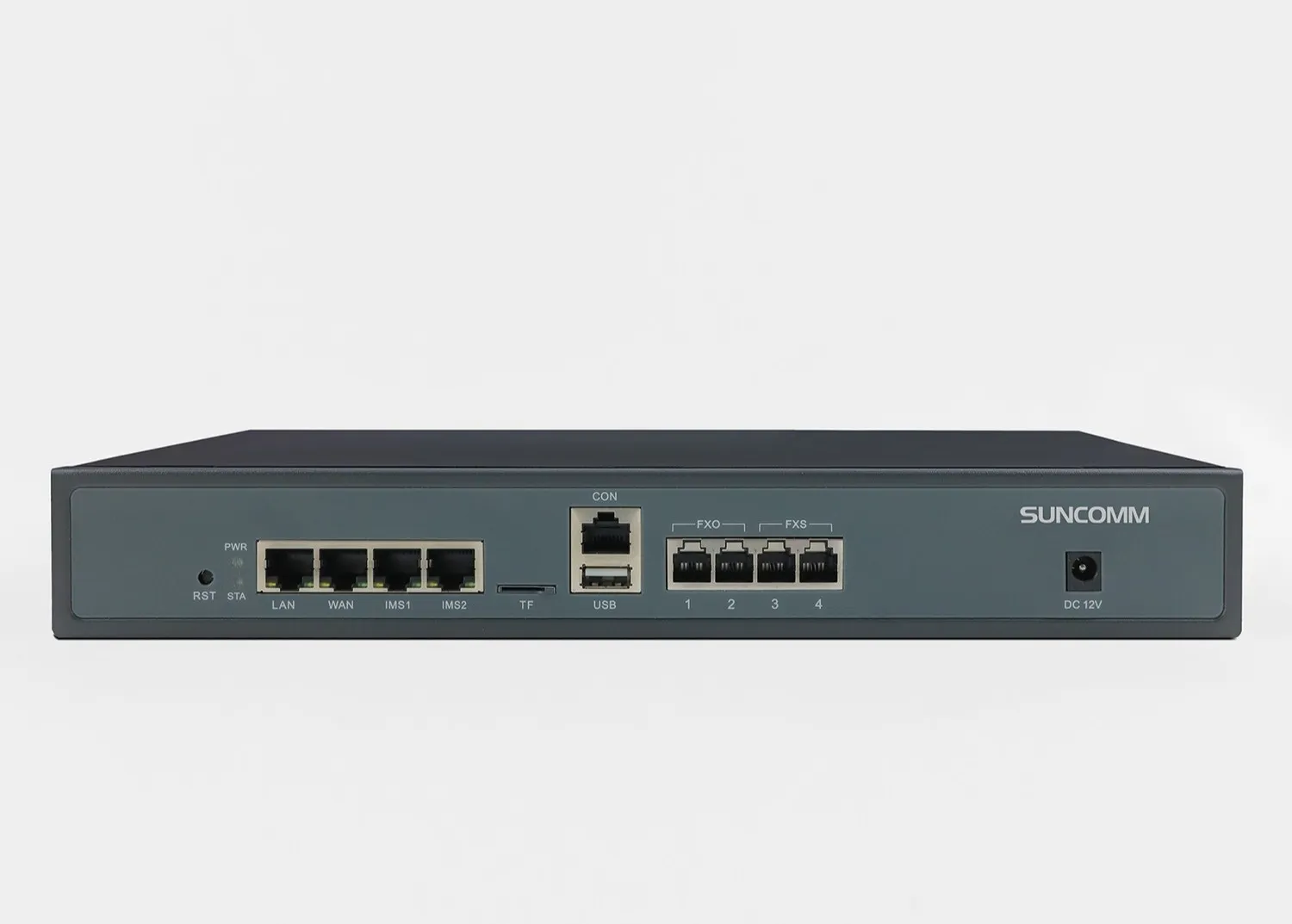
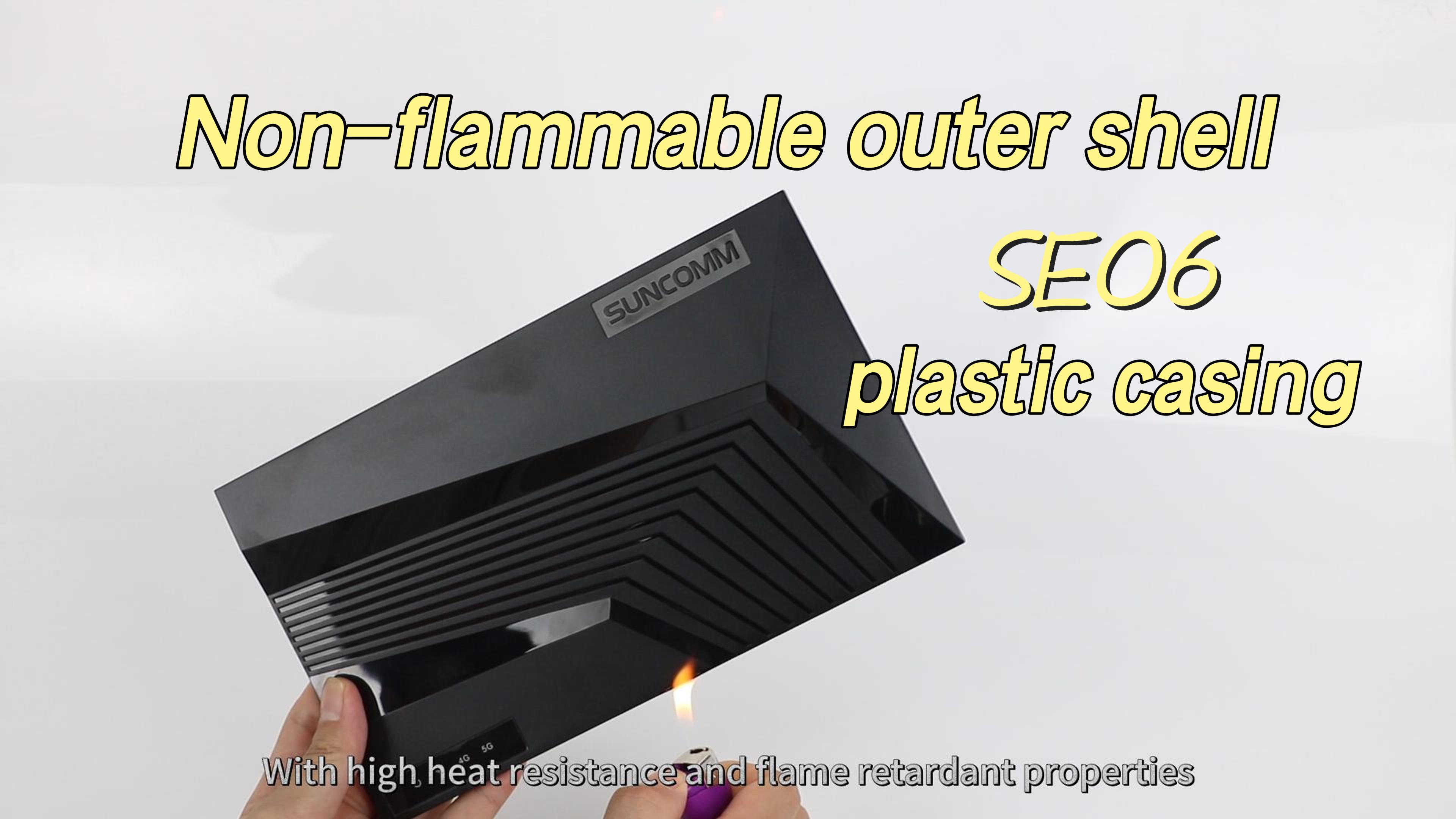
The SUNCOMM 5G Router SE06 uses an ABS+PC shell with reinforced heat-guided internal spacing, ensuring the router remains stable during 5G peak load operation.
The performance of a router isn’t measured only in Mbps and antenna gain. It’s also reflected in how long the device stays stable, how well it handles heat, and how securely it protects the electronics inside.
ABS+PC material strikes the right balance:
1) Strong but lightweight
2) Heat-resistant but easy to form
3) Durable without feeling bulky
For users who value long-term stability and a clean, professional design, routers featuring ABS+PC housings offer reliability you can see and feel. As a professional 5G router supplier, SUNCOMM ensures that our products meet the highest standards of quality and performance.