
When choosing a router or 5G CPE device, many people look at WiFi standards, chipset performance, or SIM card compatibility. But one often overlooked feature can dramatically impact your internet experience: the Ethernet port speed.
For years, Gigabit Ethernet (1G) has been the standard. However, with the rise of fiber broadband, WiFi 6/6E, and high-speed 5G connectivity, the demand for faster wired connections is growing. This is where the 2.5G Ethernet port comes into play.

2.5G Ethernet port is a wired networking interface that supports speeds up to 2.5 Gigabits per second (Gbps)—2.5 times faster than traditional Gigabit ports.
Unlike 10G Ethernet, which often requires specialized cables, 2.5G works with standard Cat5e or Cat6 cables, making it cost-effective and easy to adopt.

With ISPs now offering 1.5Gbps, 2Gbps, or higher fiber plans, Gigabit ports become a bottleneck. A 2.5G router ensures you can actually enjoy the speed you’re paying for.
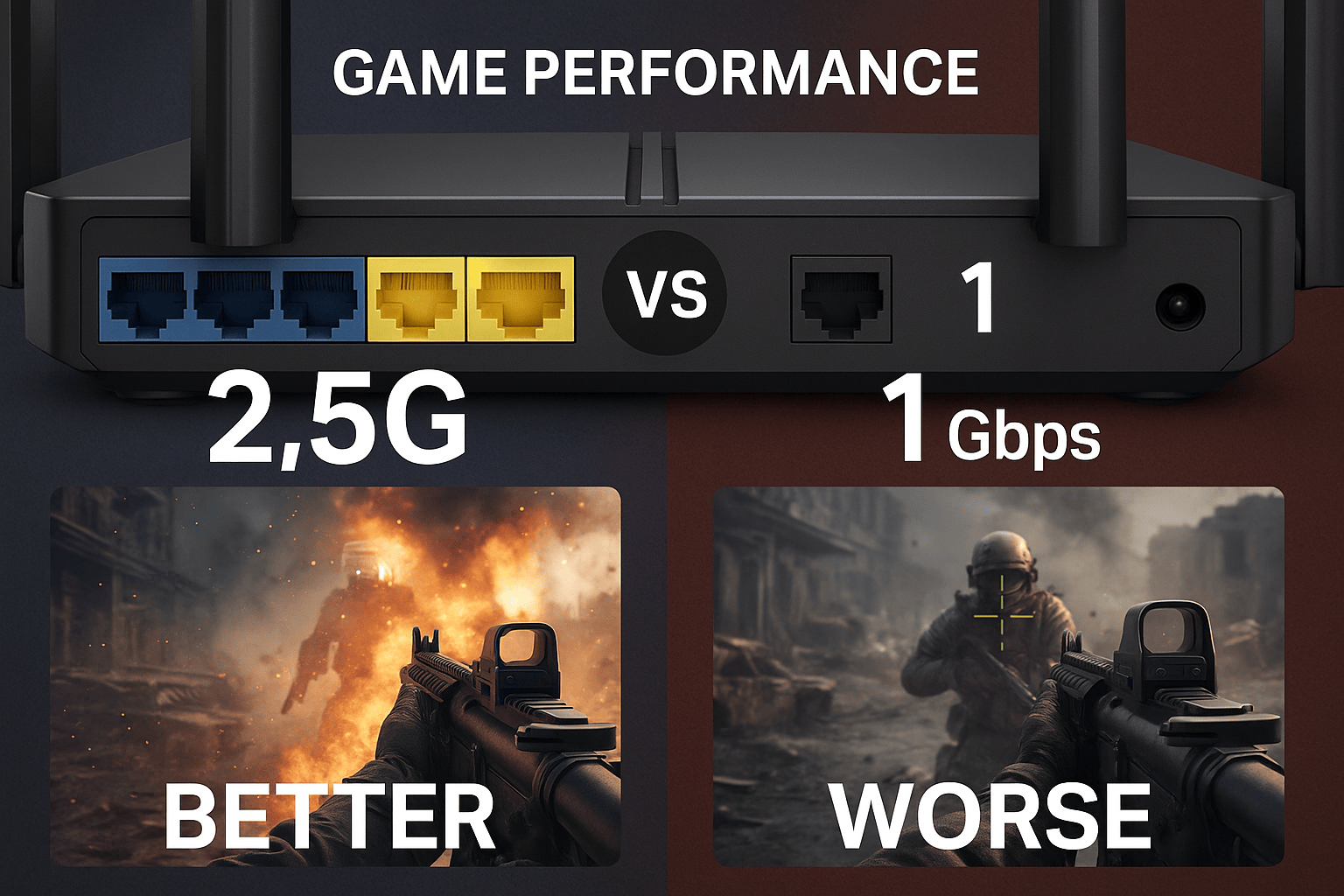
For gaming routers, low latency and high throughput are critical. 2.5G ports reduce congestion during 4K/8K streaming, cloud gaming, or eSports tournaments, providing a smoother experience.
As more devices adopt WiFi 6/6E and even WiFi 7, having a 2.5G Ethernet backhaul ensures your router won’t become outdated when upgrading to faster services.
For power users and businesses using Network Attached Storage (NAS) or local servers, 2.5G enables faster file sharing and backups, saving time and boosting productivity.
Modern 5G routers can reach multi-gigabit speeds over cellular networks. Pairing them with 2.5G Ethernet ports prevents speed loss when connecting to PCs, gaming consoles, or enterprise switches.
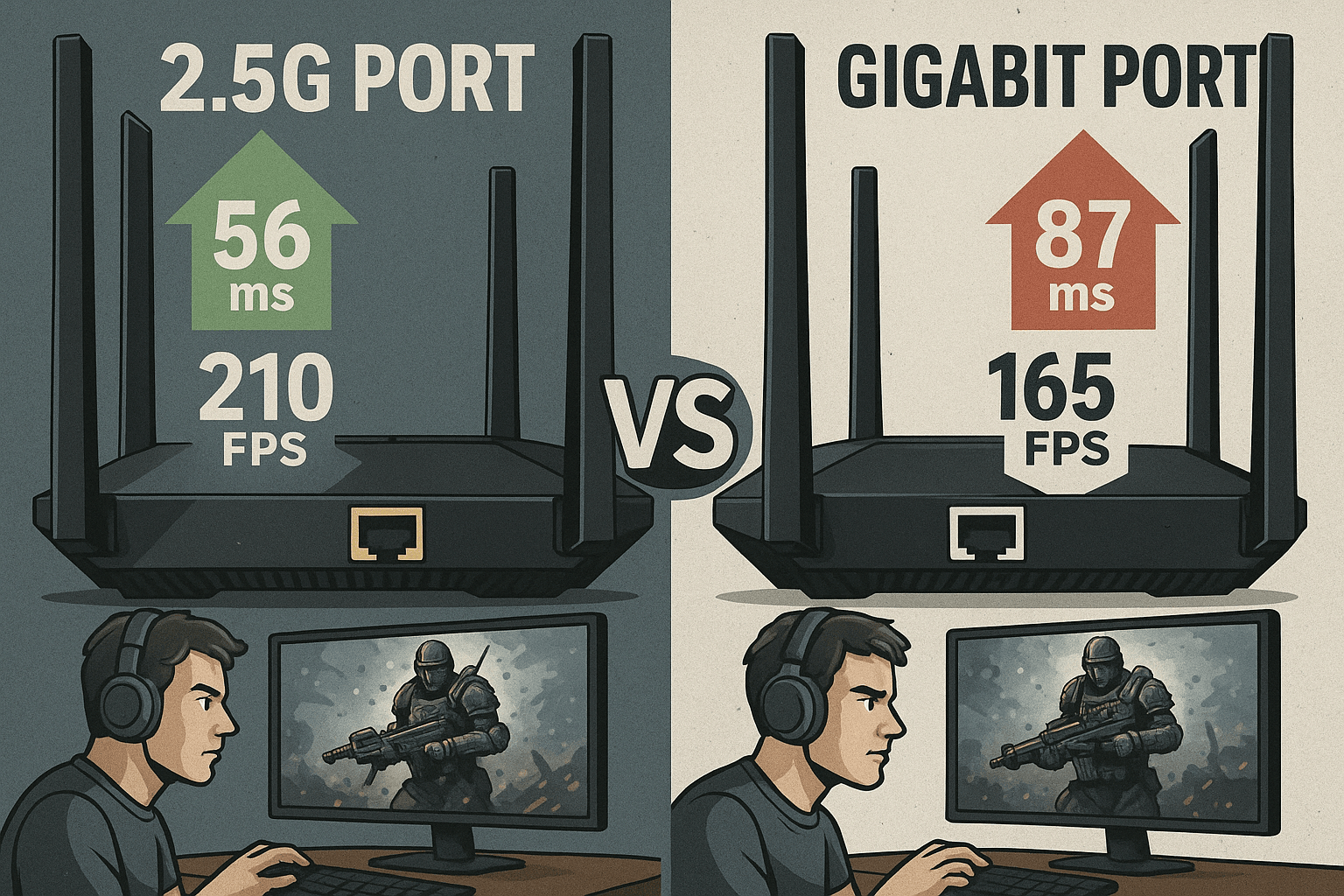
² Gamers: Stable low-latency wired connections
² Home Offices: Smooth video conferencing and large file uploads
² Streaming Enthusiasts: Flawless 4K/8K streaming across multiple devices
² Enterprises: Handling more users without bottlenecks
² Tech Enthusiasts: Building multi-gig home networks with NAS or servers
Feature | Gigabit Ethernet (1G) | 2.5G Ethernet |
Max Speed | 1 Gbps | 2.5 Gbps |
Cable Requirement | Cat5e/Cat6 | Cat5e/Cat6 |
ISP Plan Utilization | Up to 1Gbps | Up to 2.5Gbps+ |
Gaming Performance | Standard | Optimized (low-latency) |
NAS/File Sharing | Moderate | Much faster |
Future-Proofing | Limited | Strong |
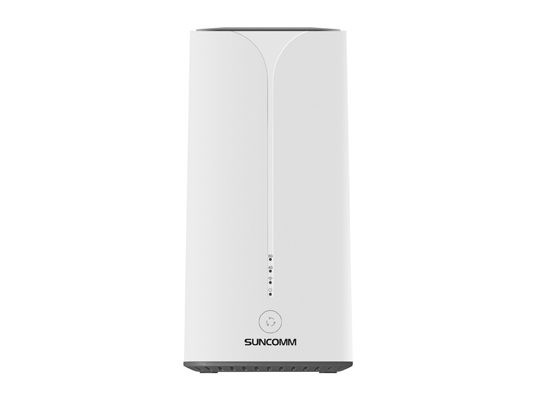
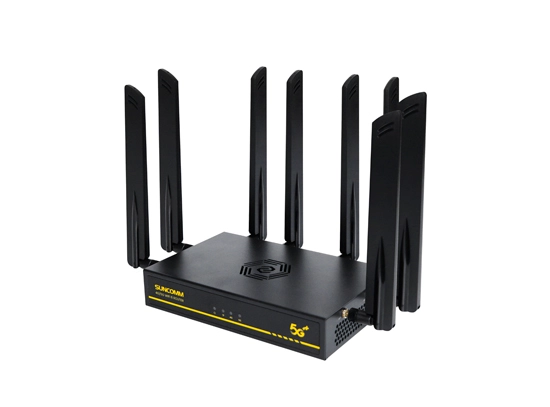
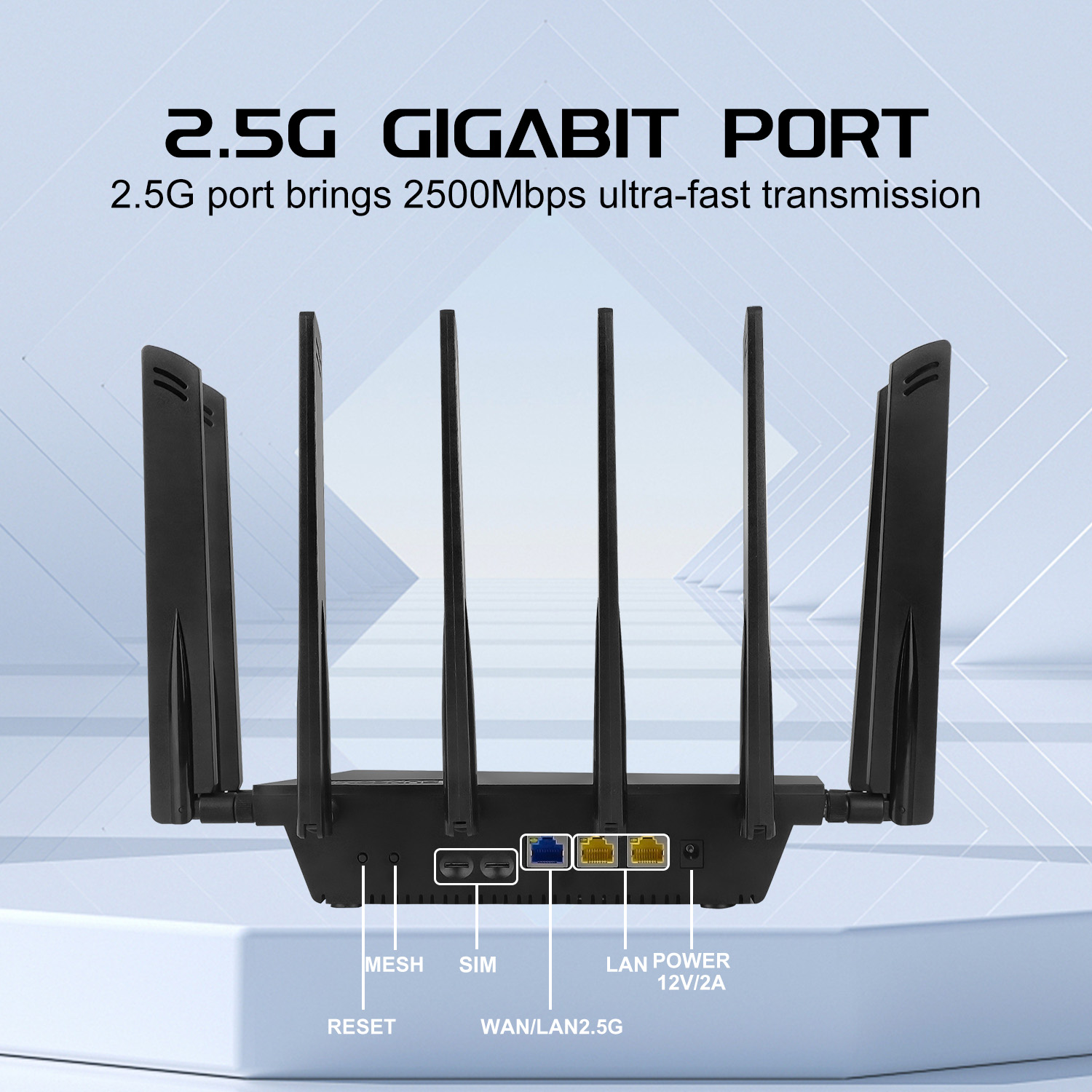
The SUNCOMM SE06 5G WiFi 6 Router is a great example of how 2.5G Ethernet enhances user experience:
² Dual 2.5G ports for WAN/LAN flexibility
² Powered by Qualcomm X62 or X75 5G modules
² WiFi 6 AX3000 speeds for wireless devices
² Supports VPN, band lock, IP Passthrough, and Mesh WiFi
With this setup, users can maximize their fiber or 5G internet plans and enjoy stable, high-bandwidth performance across wired and wireless connections.
For casual users, Gigabit Ethernet may still be enough. But for gamers, streamers, enterprises, and high-bandwidth households, upgrading to a 2.5G router makes a real difference.
By combining multi-gig internet plans, 5G CPE devices, and WiFi 6 routers with 2.5G ports, you unlock the full potential of your network—today and in the future.
Explore the SE06 5G Router with Dual 2.5G Ethernet Ports and experience why 2.5G delivers more than just speed—it delivers stability, efficiency, and future-proof performance.