
Reliable wireless connectivity is no longer a luxury—it’s a necessity. Whether it’s streaming, online gaming, video conferencing, or smart home control, users demand both speed and stability. But as networks expand across low-band, mid-band, and high-band 5G frequencies, achieving consistent coverage can be challenging.
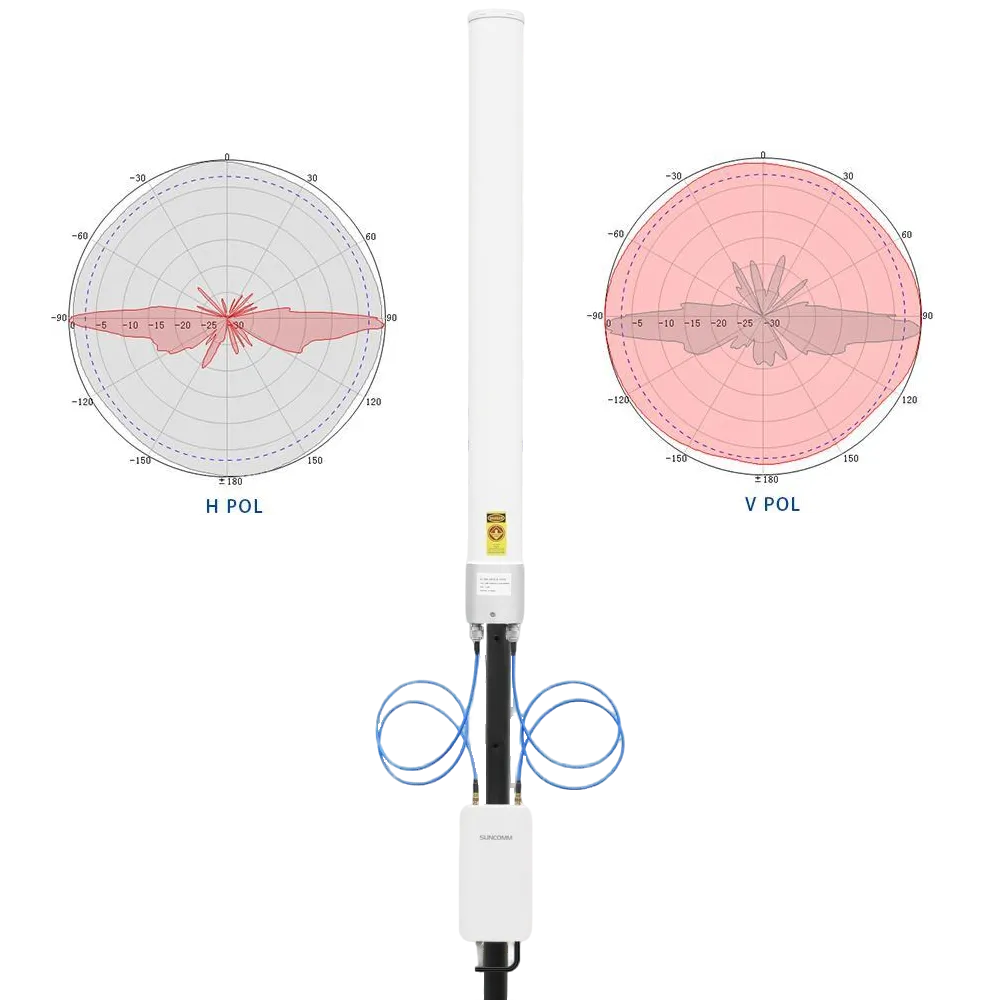
This is where high-gain MIMO antennas come into play. By combining Multiple-Input Multiple-Output (MIMO) technology with high-gain directional or omnidirectional antennas, modern 5G CPE routers and WiFi 6 routers can significantly improve coverage and stability across all frequency bands.
To see why antenna technology matters, it helps to know the basics of frequency bands:
Low-Band (Sub-1GHz, e.g., N28, N71)
² Wide coverage
² Excellent building penetration
² Lower maximum speed
Mid-Band (1–6GHz, e.g., N41, N78)
² Balance of speed and coverage
² Primary spectrum for 5G rollouts worldwide
² Supports gigabit-level speeds
High-Band (mmWave, 24GHz+)
² Extremely fast throughput
² Limited range and weak indoor penetration
² Ideal for dense urban or hotspot scenarios
A 5G router with MIMO high-gain antennas can optimize performance across these different frequency layers, ensuring users don’t have to compromise between speed and coverage.
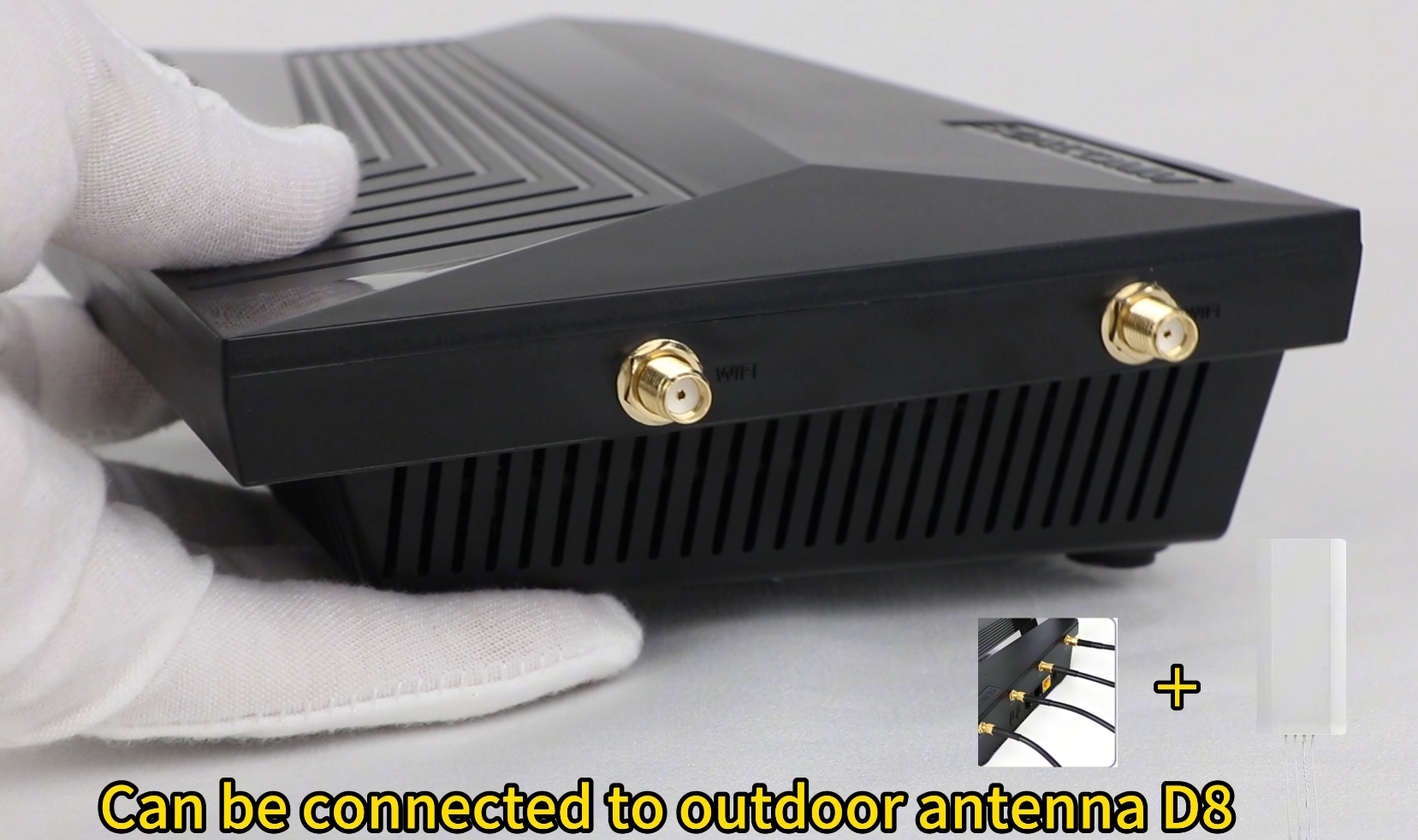
High-gain antennas focus energy in a specific direction, improving signal reception and transmission. This reduces dead zones and extends coverage for low- and mid-band frequencies, which are critical for rural and suburban users.
With MIMO technology, multiple data streams are transmitted simultaneously, allowing more devices—smartphones, laptops, gaming consoles—to connect without congestion.
Low-frequency bands already penetrate walls well, but pairing them with high-gain MIMO antennas further stabilizes indoor signals for home offices, streaming setups, and enterprise environments.
At high frequencies (mmWave), signal range is naturally limited. High-gain directional antennas help extend coverage, making it possible to use 5G mmWave routers in more environments.
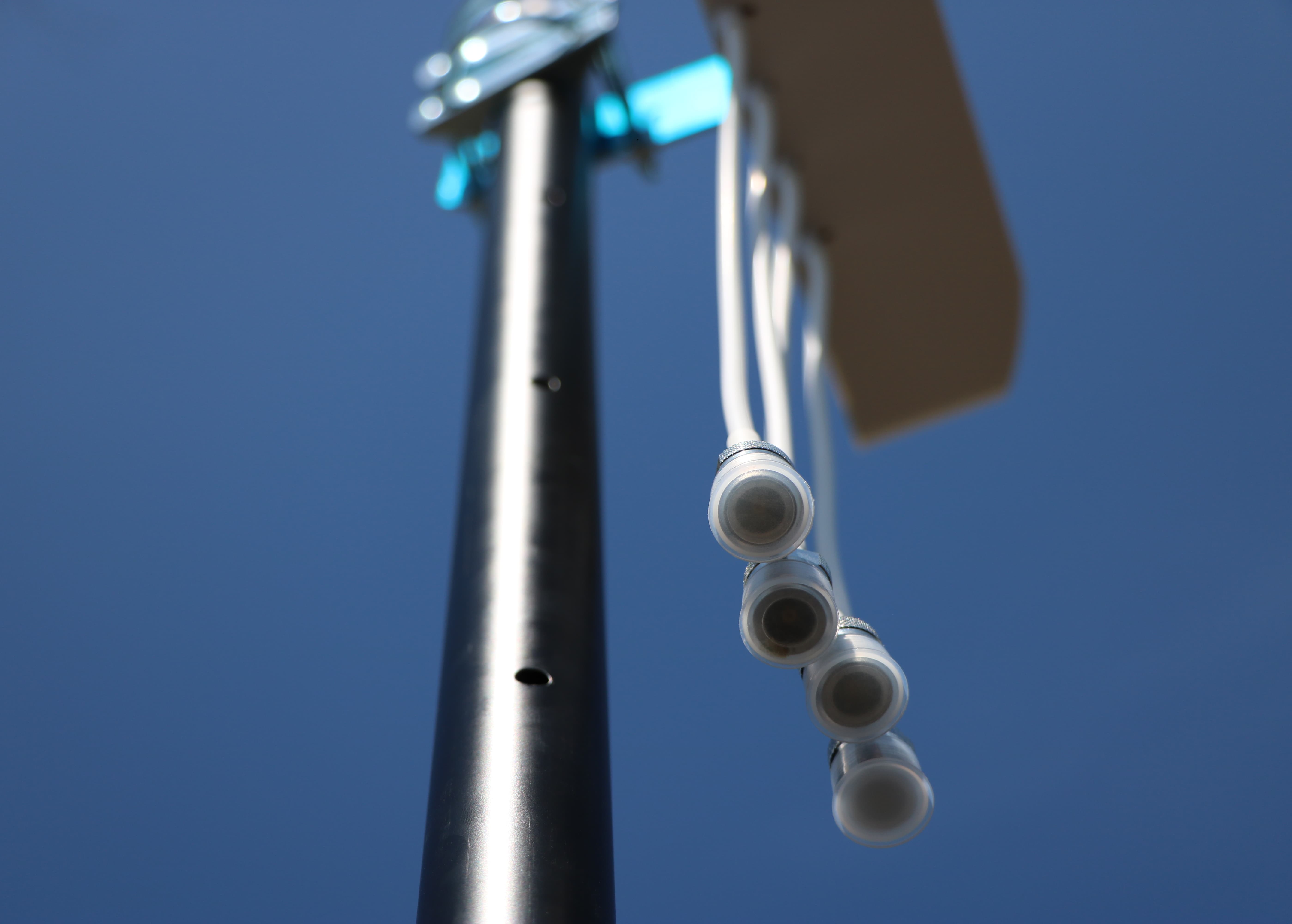
² Home & Office Networks: Wider WiFi 6 coverage with stable speeds for multiple devices.
² Rural Broadband: Enhanced reception of low-band 5G signals with outdoor MIMO antennas.
² Gaming & Streaming: Lower latency connections when paired with a 5G CPE router.
² Enterprise Deployments: Multi-band stability for high-density user environments.
For example, the SUNCOMM SE06 5G Router uses Qualcomm X62/X75 modules combined with high-gain MIMO antenna design to balance long-range coverage and ultra-fast mid/high-band throughput.
Feature | Standard Antenna | High-Gain MIMO Antenna |
Coverage Range | Moderate | Extended (especially low/mid-band) |
Multi-Device Capacity | Limited | High (MIMO multi-stream support) |
Frequency Optimization | Basic | Optimized across low/mid/high |
Latency Performance | Average | Lower latency for real-time tasks |
Best Use Case | General browsing | Gaming, streaming, enterprise use |
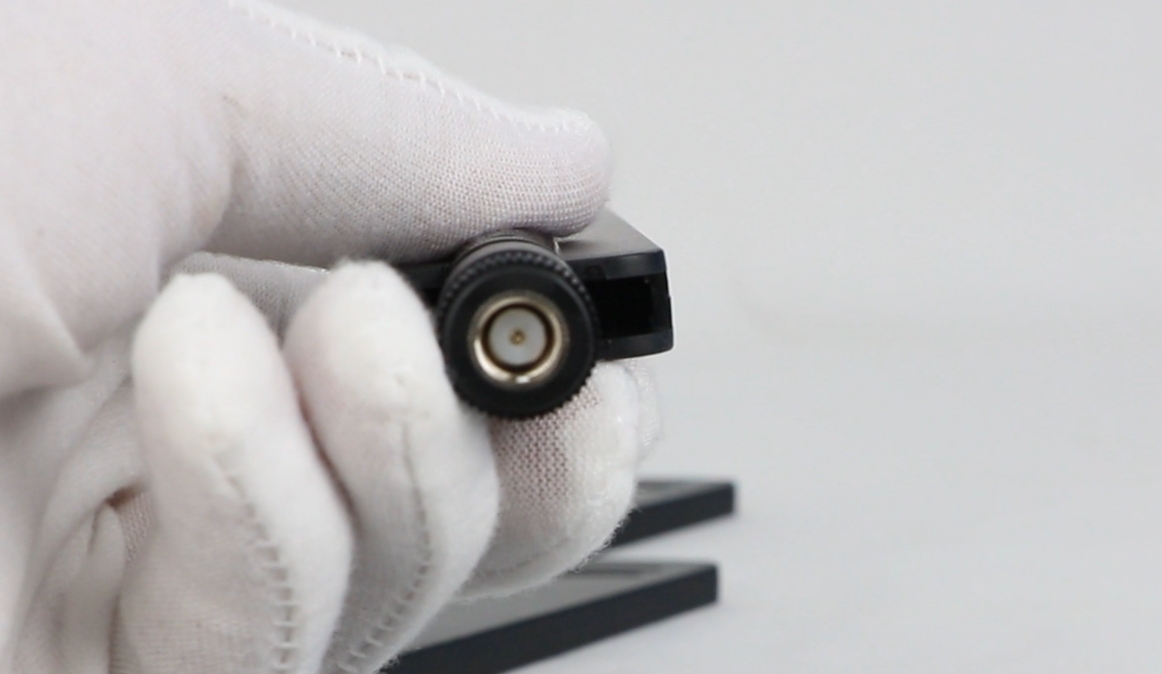
As wireless networks evolve, the demand for stable, high-speed connectivity across all frequency bands continues to grow. By integrating high-gain MIMO antennas, modern 5G routers and WiFi 6 CPE devices deliver superior performance for both home and enterprise users.
Whether you are trying to improve low-band rural coverage, maximize mid-band gigabit speeds, or extend high-band mmWave performance, high-gain MIMO antennas are the key to unlocking the full potential of your network.
Discover how SUNCOMM SE06 5G WiFi 6 Router leverages Qualcomm chipsets and high-gain MIMO antennas to deliver next-level connectivity.