
When choosing a 5G CPE router or WiFi 6 router, most people focus on specifications like speed, signal coverage, and supported frequency bands. But one of the most important—and often overlooked—factors that determine how long a router will last is what’s inside: the PCBA (Printed Circuit Board Assembly) and its heat dissipation design.
These two elements define a router’s stability, durability, and long-term performance, especially under heavy workloads such as gaming, streaming, or enterprise networking.
The PCBA is the foundation of a router’s electronic system. It connects and integrates the CPU, memory, RF chips, power circuits, and communication modules, allowing all components to work together efficiently.
A high-quality PCBA uses:
² Premium capacitors and resistors for stable current flow.
² Low-loss materials to reduce signal interference.
² Precise soldering and layout to minimize electromagnetic noise.
² Industrial-grade connectors for long-term mechanical strength.
In a router powered by Qualcomm X62 or X75 5G chipsets, the PCBA plays a key role in ensuring the chipset operates at full potential without degradation over time. Poor-quality PCBA components, by contrast, can lead to voltage instability, RF noise, or even premature hardware failure.

The quality of PCBA components directly impacts how reliably your router performs—especially in high-bandwidth environments.
² Consistent Performance under heavy data transmission.
² Better Power Efficiency, reducing thermal buildup.
² Lower Failure Rates from component fatigue or corrosion.
² Random reboots or freezing due to unstable voltage.
² Signal fluctuations caused by electronic noise.
² Shortened router lifespan, especially in warm environments.
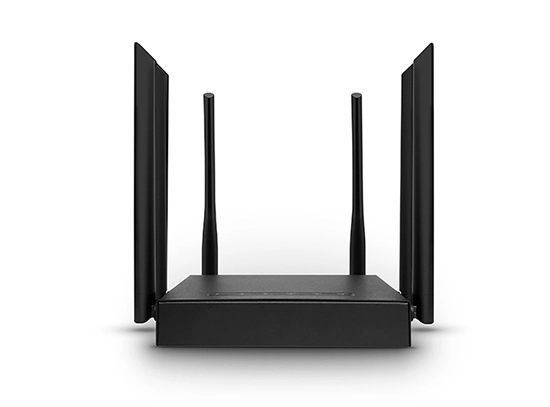
That’s why professional networking devices—like the SUNCOMM SE06 5G WiFi 6 Router—are built with industrial-grade PCBA materials designed to handle continuous operation.

Even the best PCBA components can degrade quickly without proper thermal management. As routers process more data—from 4K streaming to multi-user VPN sessions—the internal temperature rises.
An effective heat dissipation design helps maintain optimal performance and prevent premature aging of components.
² ABS+PC casing for natural heat conduction.
² Strategic vent placement to promote airflow.
² Thermal pads or conductive materials to transfer heat from the chipset to the shell.
² Optimized internal spacing to prevent heat buildup around critical areas.
² Internal fan helps dissipate heat
Routers like the SE06 use an efficient cooling structure, while maintaining stable temperatures during 24/7 usage.

Excessive heat is one of the main causes of router performance issues and component degradation. High temperatures can:
² Reduce CPU processing efficiency.
² Affect 5G signal strength and RF sensitivity.
² Shorten the lifespan of power modules and capacitors.
A router designed with proper heat dissipation engineering ensures consistent speed, stability, and reliability—even in high-temperature environments such as outdoor setups or industrial use.

The SUNCOMM SE06 5G WiFi 6 Router is engineered with both high-quality PCBA components and enhanced heat dissipation design to ensure long-term reliability.
² Qualcomm X62/X75 5G module for efficient power consumption.
² Industrial-grade PCBA layout optimized for signal integrity.
² Internal fan helps dissipate heat.
² Stable operation in high-load conditions, such as multi-device streaming or enterprise VPN.
This combination ensures that SE06 maintains consistent performance and extended hardware lifespan, even under continuous 5G operation.
The longevity of a router doesn’t just depend on speed or external design—it’s rooted in PCBA quality and thermal engineering. A well-built router with premium electronic components and smart heat dissipation can perform reliably for years, even under heavy workloads.
When evaluating your next 5G CPE router or WiFi 6 router, look beyond the specifications. Pay attention to how the internal components are designed, powered, and cooled. These hidden details often make the biggest difference in router reliability and long-term value.
Discover how the SUNCOMM SE06 5G WiFi 6 Router combines robust PCBA craftsmanship with advanced cooling design to deliver stable, long-lasting connectivity.