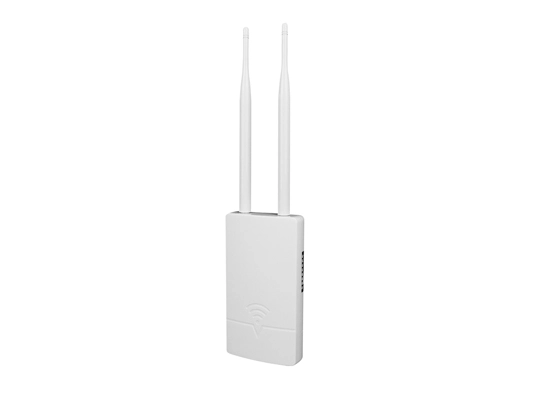

What 5G-A is, what changes it brings and why it is important for networks
As 5G networks get better a new term is being used more often: 5G-A or 5G Advanced.
For people it sounds like just another label.
But from what we have seen at SUNCOMM 5G-A is not about hype it is about making 5G work better in the real world.
5G-A does not replace 5G it builds on it.
5G-A is the step in 5G evolution, based on 3GPP Release 18 and beyond.
If early 5G focused on getting networks up and running quickly and delivering speeds then 5G-A focuses on improving how 5G works in real life making networks more efficient and supporting new types of services.
A simple way to think about it is that 5G was about what 5G can do and 5G-A is about making 5G mature.
When 5G was first deployed it showed that it could deliver speeds.
But when people actually used it some problems became clear: performance can vary depending on the environment uplink is often weaker than downlink network resources are not always used efficiently and advanced use cases like intelligence and industrial internet of things need more consistency.
5G-A addresses these problems by improving how existing components work together not by reinventing the technology.
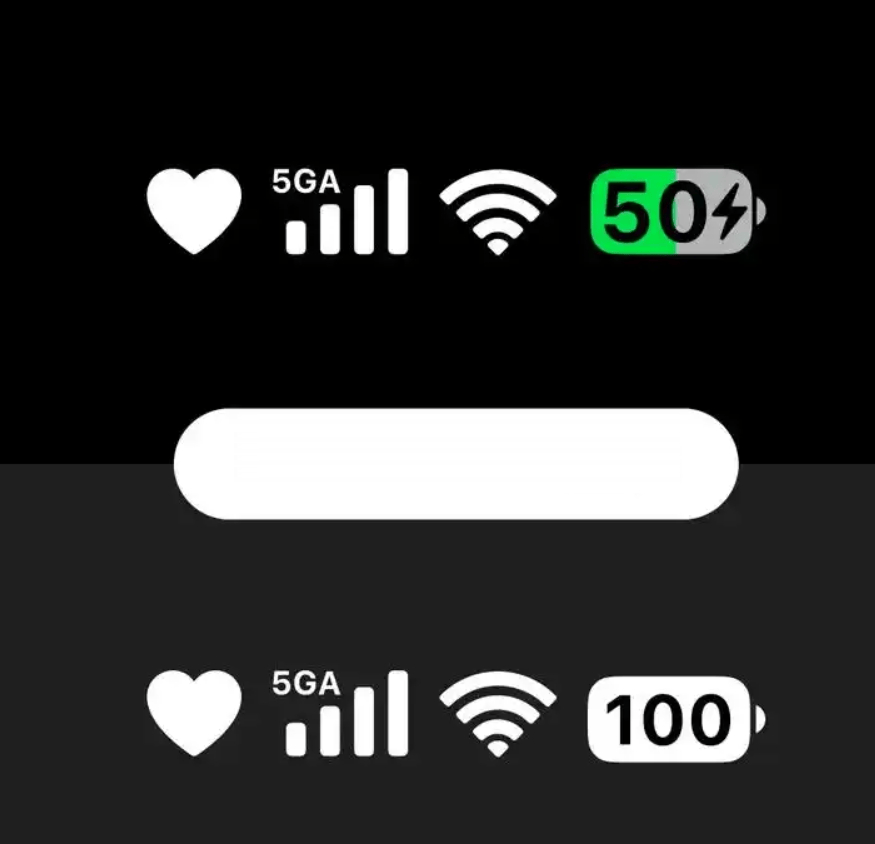
5G-A is a collection of enhancements across the network than one single feature.
Carrier aggregation becomes more advanced in 5G-A: more carriers can be combined and bandwidth utilization is wider.
In practice this means sustained throughput and more stable performance under load.
One of the noticeable changes is in uplink performance.
5G-A introduces enhanced uplink carrier aggregation and better scheduling for traffic.
From our experience at SUNCOMM this is critical for video conferencing, cloud-based workflows and surveillance and internet of things uploads.
In real-world scenarios uplink stability matters more than peak download speed.
5G-A starts to integrate intelligence into the network itself.
This includes signal optimization, traffic prediction and resource allocation.
Of relying only on static rules networks can adapt dynamically to changing conditions.
As networks scale power consumption becomes a concern.
5G-A introduces smarter ways to manage network resources reduce transmission and optimize device power usage.
This is especially important for on customer premises equipment devices large-scale internet of things deployments and other scenarios.
5G-A is designed to support scenarios that early 5G struggled with such as industrial automation, edge computing, high-density user environments and extended reality applications.
These use cases require not speed, but predictability and low latency.
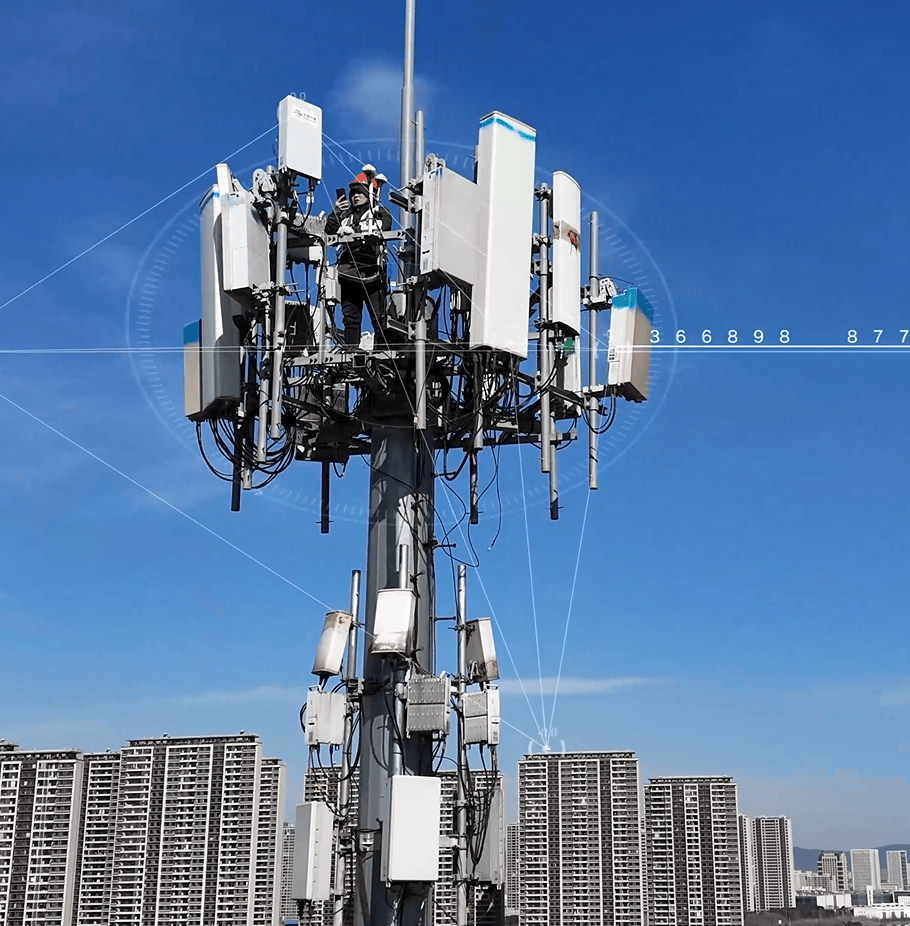
From a device perspective 5G-A is not just a network upgrade it affects how customer premises equipment is designed.
In our development work at SUNCOMM we see several areas becoming important: higher carrier aggregation capability better uplink optimization, thermal design improvements to handle sustained performance and smarter software tuning for dynamic environments.
Devices that can take advantage of these improvements will deliver consistent performance, not just higher peak speeds.
For users 5G-A will not appear as a dramatic change overnight.
Instead the improvements are gradual and practical: fewer speed drops during peak hours stable video calls, better performance with multiple devices and faster and more reliable uploads.
In words the network feels more predictable.
5G-A is already being introduced in some markets especially where operators are actively upgrading their networks.
However like any network evolution deployment will be gradual features will roll out in stages and not all regions will see the improvements at the same time.
In the term most networks will be a mix of traditional 5G and early 5G-A capabilities.
Here’s a simplified comparison:
l Focus: 5G is about deployment while 5G-A is about performance refinement.
l Speed: 5G is about peak rates while 5G-A is about more consistent throughput.
l Uplink: 5G has limited optimization while 5G-A has significantly improved uplink.
l Intelligence: 5G is rule-based while 5G-A is artificial intelligence-assisted.
l Use cases: 5G is about consumer broadband while 5G-A is about enterprise, internet of things and edge computing.

We do not see 5G-A as a new technology.
Instead we see it as a step toward making 5G practical at scale.
From what we have observed early 5G proved what is possible. 5G-A focuses on making it reliable.
For us the meaningful improvements are not in peak speed but in stability uplink performance and network efficiency.
These are the factors that actually shape user experience.
Drawing on over 15 years of telecommunications expertise, SUNCOMM is a professional 5G router company that is dedicated to translating 5G-A technical standards into robust, high-performance networking hardware. By integrating cutting-edge chipsets—such as the Qualcomm X82 and X85—with our proprietary signal optimization technology, we provide comprehensive FWA and Industrial IoT solutions. Our portfolio, ranging from enterprise-grade 5G CPEs to specialized outdoor routers, is engineered to ensure our partners achieve the deterministic latency and superior uplink stability required for next-generation digital transformation.
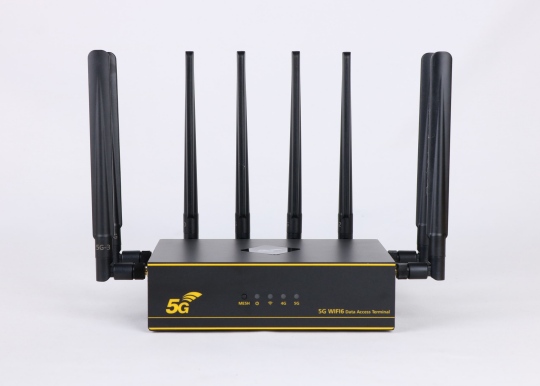
5G-A is not about redefining 5G it is about finishing what 5G started.
It brings consistency, smarter networks and stronger support for real-world applications.
As deployments expand the difference will not always show up in speed tests. It will be felt in everyday usage.
In our experience, at SUNCOMM that is what matters most.
Talk to our experts for more help.