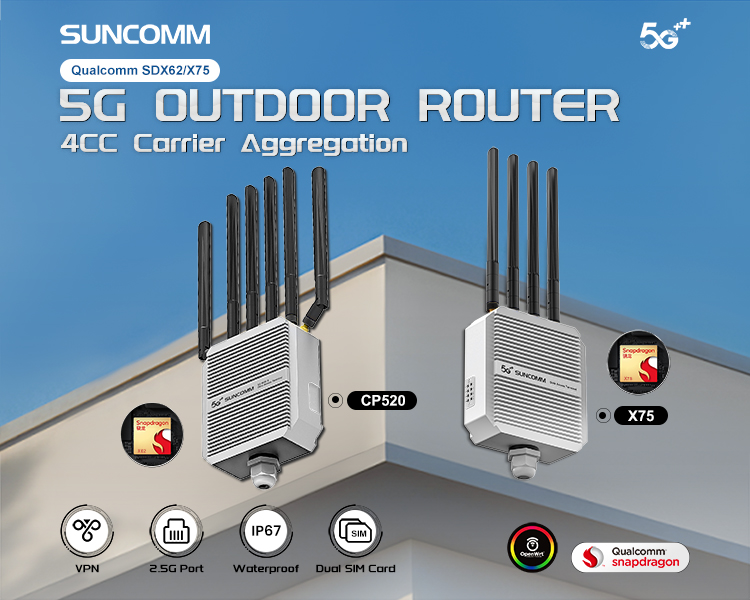

Industrial networking equipment is often deployed in environments that are far more demanding than a typical office setting. Construction sites, transportation infrastructure, renewable energy facilities, and remote monitoring stations all expose networking devices to dust, rain, humidity, temperature fluctuations, and other environmental challenges.
While network speed and wireless performance usually receive the most attention, environmental protection is equally important. A router that delivers excellent connectivity can still become a weak link if it cannot withstand the conditions where it is installed.
An IP rating (Ingress Protection rating) is an internationally recognized standard that defines how well an enclosure protects against the intrusion of solid particles and liquids.
For organizations investing in outdoor networking infrastructure, understanding the difference between IP65 and IP67 protection can help prevent unexpected downtime, reduce maintenance costs, and improve long-term network reliability.
The IP rating system was established by the International Electrotechnical Commission (IEC) under standard IEC 60529.
An IP rating consists of two digits:
The first digit indicates protection against solid particles such as dust.
The second digit indicates protection against water.
For example:
| Rating | Dust Protection | Water Protection |
|---|---|---|
| IP65 | Dust-tight | Protected against water jets |
| IP67 | Dust-tight | Protected against temporary immersion in water |
The higher the rating, the greater the protection against environmental hazards.
For outdoor networking equipment, both dust and water resistance play a critical role in maintaining reliable operation.
IP65 is one of the most common protection levels used in outdoor networking equipment. The "6" in IP65 indicates complete protection against dust ingress. Dust particles cannot enter the enclosure in quantities that would interfere with normal operation. The "5" indicates protection against low-pressure water jets from any direction.
An IP65-rated router can typically withstand:
Heavy rain
Wind-driven dust
Humid environments
Routine outdoor exposure
Because of these capabilities, IP65 devices are widely used in:
Outdoor Wi-Fi deployments
Transportation systems
Telecommunications cabinets
General industrial networking
However, IP65 protection does not guarantee resistance to temporary immersion in water. If standing water or flooding occurs, the device may be vulnerable.
For projects installed in relatively controlled outdoor environments, IP65 may provide sufficient protection while maintaining cost efficiency.
IP67 builds upon the dust protection offered by IP65 while providing significantly greater water resistance. Like IP65, the "6" indicates complete dust protection.
The difference lies in the second digit. The "7" means the enclosure can withstand temporary immersion in water under specified test conditions. According to IEC 60529, IP67-certified equipment is tested for immersion in water up to 1 meter deep for up to 30 minutes.
This additional protection provides an important safety margin in unpredictable outdoor environments.
Typical benefits of IP67 protection include:
Enhanced resistance to severe weather
Greater protection against flooding risks
Improved durability in high-humidity environments
Reduced risk of water-related equipment failure
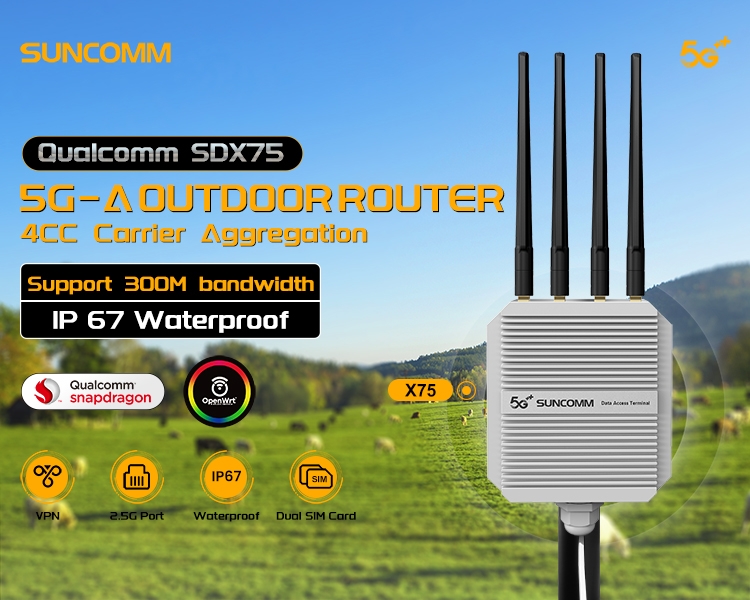
Industrial networking equipment deployed in harsh outdoor environments increasingly adopts IP67 designs to improve long-term reliability. Many modern outdoor 5G routers designed for mission-critical applications utilize IP67-rated enclosures to support continuous operation under challenging conditions.
Although both ratings offer strong environmental protection, their suitability varies depending on deployment conditions.
| Feature | IP65 | IP67 |
|---|---|---|
| Dust Protection | Complete | Complete |
| Rain Resistance | Excellent | Excellent |
| Water Jet Resistance | Yes | Yes |
| Temporary Water Immersion | No | Yes |
| Flood Resistance | Limited | Better |
| Outdoor Durability | High | Very High |
| Suitable for Harsh Environments | Moderate | Excellent |
| Long-Term Reliability Margin | Good | Superior |
The key distinction is water immersion protection. For environments where standing water, flooding, or extreme weather events may occur, IP67 provides a higher level of protection and operational security.
Environmental protection ratings become especially important when networking equipment is deployed in challenging locations.
Construction projects frequently expose equipment to:
Dust
Mud
Heavy rain
Vibrations
Because site conditions change constantly, additional environmental protection can help reduce equipment failures and service interruptions.
Salt-laden air and high humidity accelerate equipment degradation. Routers installed near ports, harbors, or coastal infrastructure often require stronger environmental protection to maintain long-term performance.
Mining environments generate large amounts of airborne dust and often involve exposure to water, chemicals, and extreme temperatures. Industrial-grade outdoor networking equipment is commonly selected to withstand these demanding conditions.
Smart city devices are frequently mounted on:
Traffic poles
Streetlights
Public utility structures
These installations may remain exposed to the elements year-round, making protection ratings an important consideration during network planning.
Solar farms and wind energy facilities often operate in remote locations where maintenance visits are costly. Using highly protected networking equipment can help minimize downtime and reduce operational expenses.
Selecting the appropriate protection level should be based on the actual deployment environment rather than simply choosing the highest available rating.
Consider the following factors:
Evaluate:
Rainfall levels
Flooding risks
Dust exposure
Humidity levels
Temperature extremes
The harsher the environment, the greater the value of higher protection ratings.
Equipment installed on rooftops, towers, and exposed poles typically experiences greater environmental stress than equipment installed under shelters or inside cabinets.
In remote locations where maintenance visits are expensive or difficult, investing in higher protection ratings can reduce long-term operational costs.
Beyond environmental protection, organizations should also evaluate:
4×4 MIMO support
High-gain antennas
VPN capabilities
TR-069 remote management
IPv4/IPv6 compatibility
PoE support
For demanding outdoor deployments, a suncomm 5g router combines industrial-grade protection, advanced 5G connectivity, and rugged hardware design to support reliable operation in challenging environments.
Likewise, an industrial outdoor cpe 5g solution with IP67 protection can help organizations maintain stable connectivity while minimizing the risks associated with harsh weather and environmental exposure.
Protection ratings are often overlooked during network planning, yet they play a critical role in determining long-term equipment reliability. While IP65 provides strong protection against dust and water jets, IP67 adds an additional layer of security through temporary immersion resistance. For industrial applications, remote monitoring systems, construction sites, and smart city infrastructure, selecting the appropriate protection level can help reduce downtime, lower maintenance costs, and improve overall network resilience.
IP67 indicates that a device is completely protected against dust ingress and can withstand temporary immersion in water under specified testing conditions.
IP67 offers all the protection of IP65 while adding resistance to temporary water immersion, making it more suitable for harsh outdoor environments.
In many outdoor applications, IP65 provides sufficient protection against dust and rain. However, environments with flooding risks or extreme weather may benefit from IP67 protection.
Outdoor routers are exposed to environmental hazards such as dust, rain, humidity, and temperature fluctuations. Proper protection helps ensure long-term reliability and network uptime.
Industries such as construction, mining, transportation, renewable energy, utilities, and smart city infrastructure commonly benefit from IP67-rated networking equipment.
International Electrotechnical Commission (IEC) – IEC 60529 Ingress Protection Standards
https://www.iec.ch
International Organization for Standardization (ISO) – Environmental Testing and Equipment Standards
https://www.iso.org
Wikipedia – IP Code (Ingress Protection Rating)
https://en.wikipedia.org/wiki/IP_code
National Institute of Standards and Technology (NIST) – Infrastructure Reliability Resources
https://www.nist.gov